
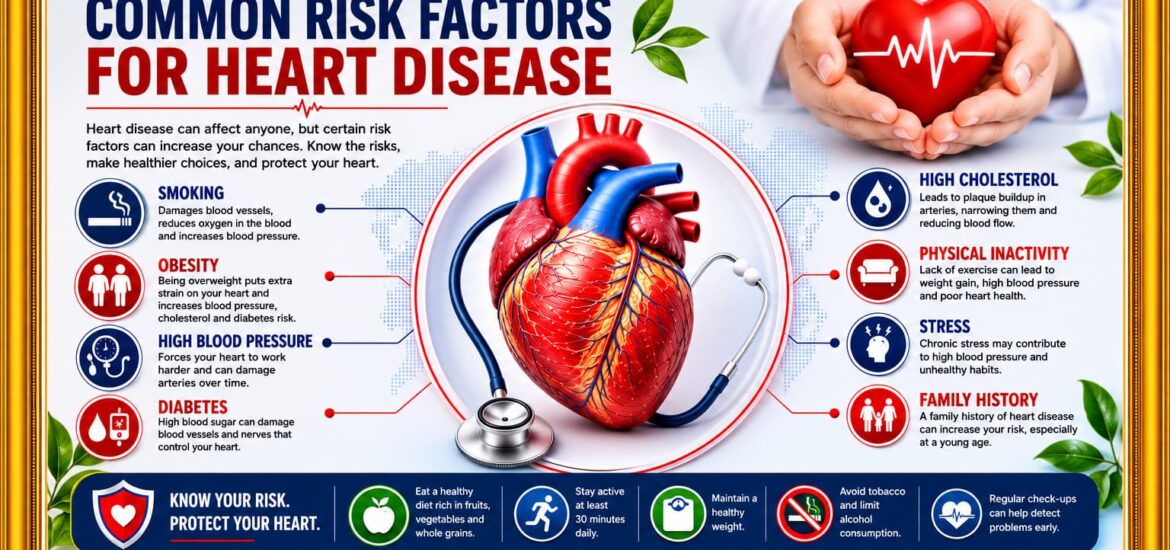
Heart disease is among the biggest causes of sickness and death in the world, but most of its risk factors can be controlled by adopting healthy lifestyles and maintaining regular medical check-ups. Knowing what factors you may be at risk for, knowing the signs of heart disease and knowing the signs of a heart problem can give you an opportunity to take preventive measures before the heart’s issues can get worse. It is essential to be aware of them and practice them regularly and continuously to help protect your heart.
The following are some lifestyle habits that can put you at risk for heart disease.
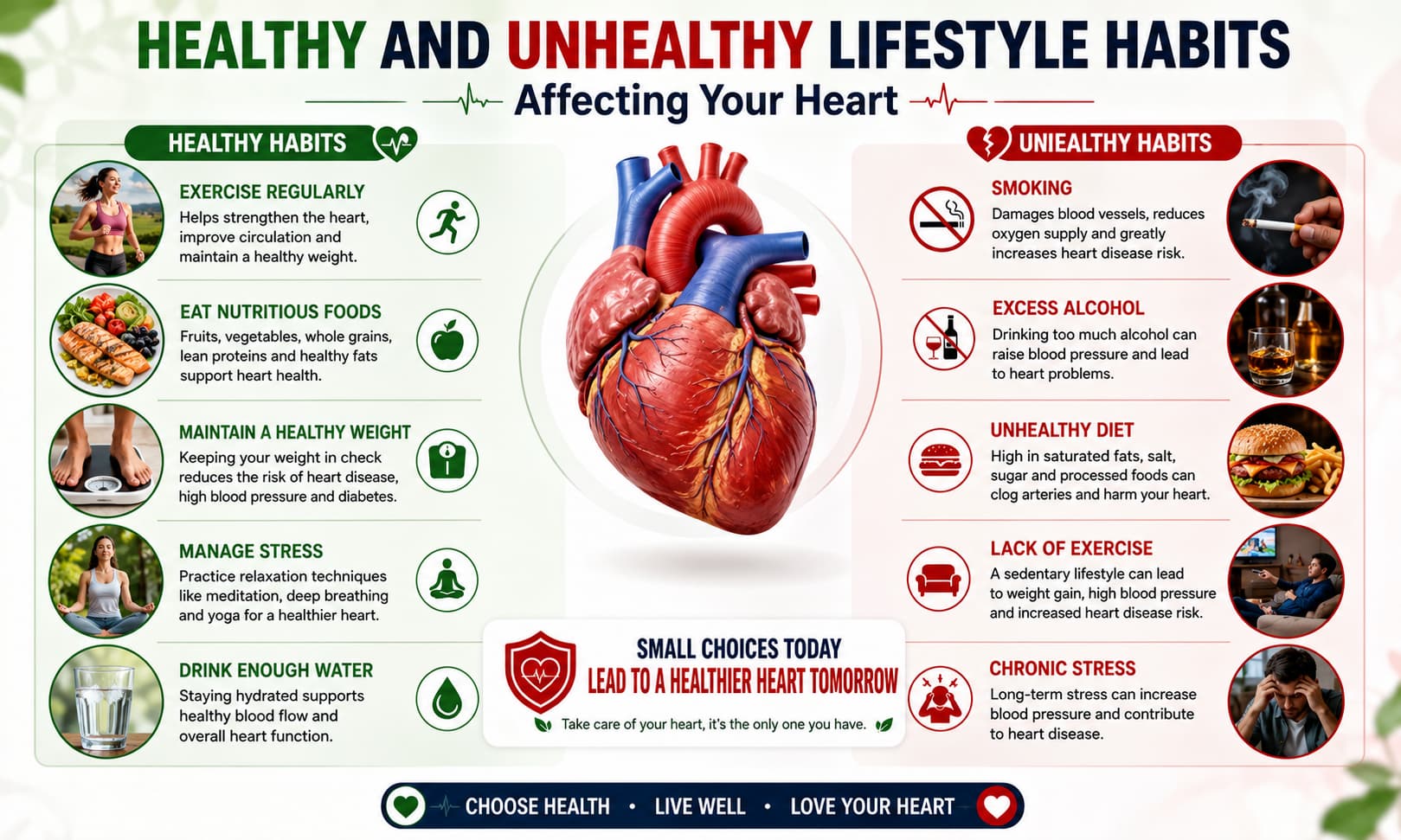
There are a number of healthy habits that can make the odds of heart disease more likely. Smoking, lack of physical activity, poor nutrition habits, too much alcohol, obesity and chronic stress are all added stresses on the heart and blood vessels.
A diet rich in saturated fat, trans fat, salt and added sugars can lead to high blood pressure and higher blood cholesterol levels, leading to increased cardiovascular risks over time. Choices that are good for your health now will reduce the risk of heart disease later.
Medical Conditions that Increase the Risk.
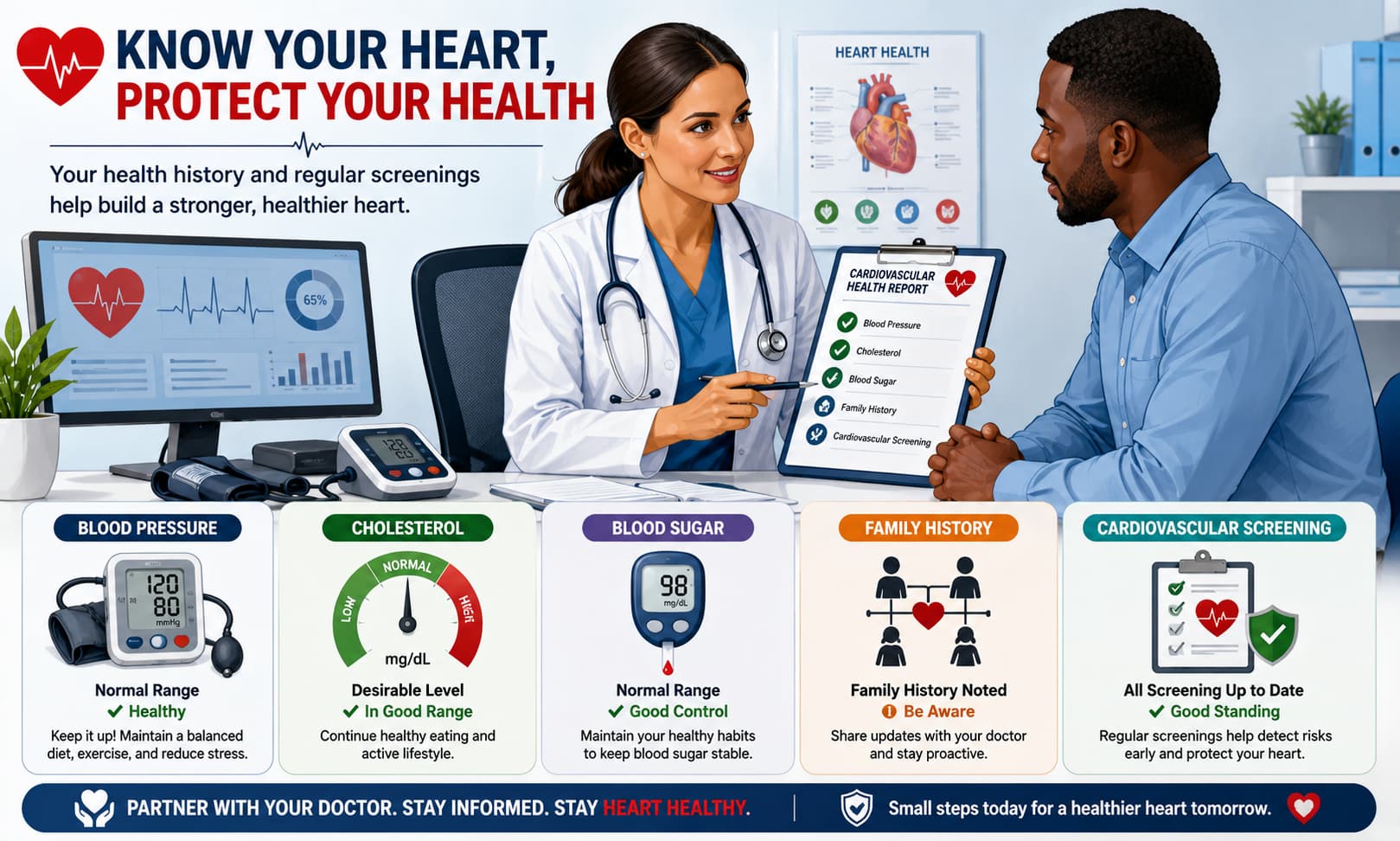
Chronic diseases such as high blood pressure, high cholesterol, diabetes, chronic kidney disease and metabolic syndrome are risk factors for heart disease. These conditions can be controlled through regular health check-ups, medication and healthy lifestyle changes, which is crucial for maintaining cardiovascular health over time.
It is important for individuals with these conditions to also know the signs and symptoms of heart disease and to alert their health care professional to any unusual symptoms immediately.
Non-Modifiable Factors: Family History, Age
Some risk factors are not controllable. As people get older, genetic predispositions, and a family history of cardiovascular disease all raise the risk of cardiovascular disease. Heart disease tends to strike men earlier than women and will be more likely to affect women after menopause.
While these are not factors that can be modified, regular health checks and healthy lifestyle choices help minimise risk and early detection of any issues.
Exercise, nutrition and stress reduction are essential to maintaining heart wellness.
The risk of cardiovascular disease can be markedly lowered with a healthy lifestyle. Follow a balanced diet, full of fruits, vegetables, whole grains, legumes, lean proteins, and healthy fats. Regular exercise, maintaining a healthy weight, avoid smoking, manage stress, sleep well and have regular medical examinations.
It is also important to be aware of symptoms such as chest pain, shortness of breath, unusual tiredness, dizziness, irregular heartbeat, swelling of the legs and persistent discomfort, which may all be symptoms of a heart disease. Some of these could also be signs of heart failure, especially if they are accompanied by fluid retention or worsening shortness of breath.
Supporting Cardiovascular Wellness with REBOOTAR-CD (CARDIO) Herbal Solution . Get It Here
Explore REBOOTAR-CD (CARDIO) Herbal Solution for Natural Wellness Support – Click Here
A healthy heart starts with a healthy diet, regular exercise, maintaining a healthy weight, regular health checks, and listening to the recommendations of health care providers. These practices are still evidence-based and continue to be the core of heart wellness.
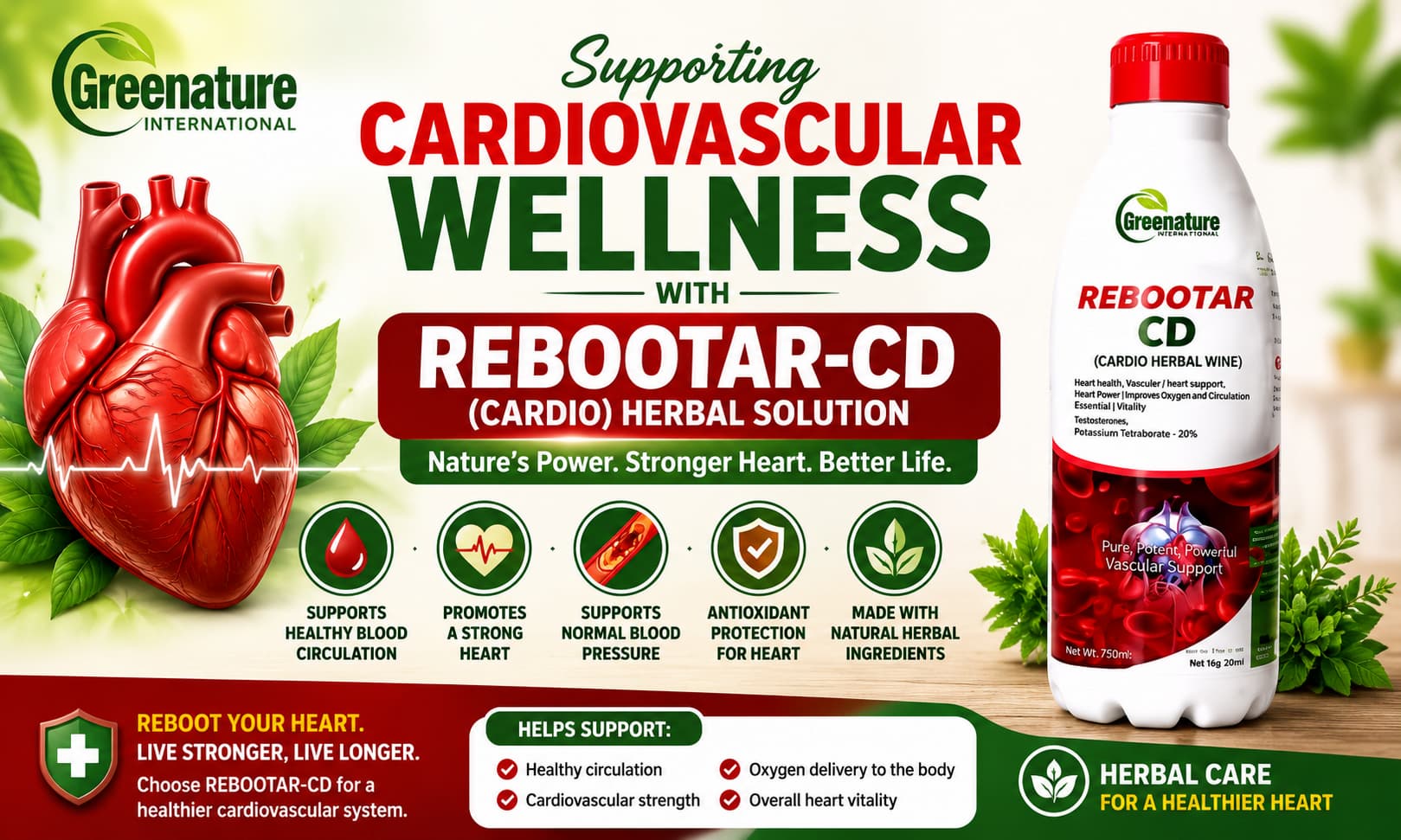
REBOOTAR-CD (CARDIO) Herbal Solution contains herbs with special attention to the carefully selected ingredients that help support the body’s overall health, healthy digestion, circulation, metabolism and natural detoxification. It does not diagnose, treat, cure or prevent heart disease, ease symptoms of heart disease, alleviate symptoms of heart failure, or serve as a substitute for medical cardiovascular treatment but some people use it as an addition to a healthy lifestyle under regular medical supervision.
Conclusion
Knowing about the risk factors for heart disease can help you make positive changes in your lifestyle in order to avoid heart disease complications. You can help preserve your heart health by knowing what to look out for, understanding the symptoms of heart disease, and getting immediate medical evaluation if you need it. Early prevention, along with healthy lifestyle choices, regular screenings and medical oversight can play a significant role in ensuring a healthier heart for life.
