
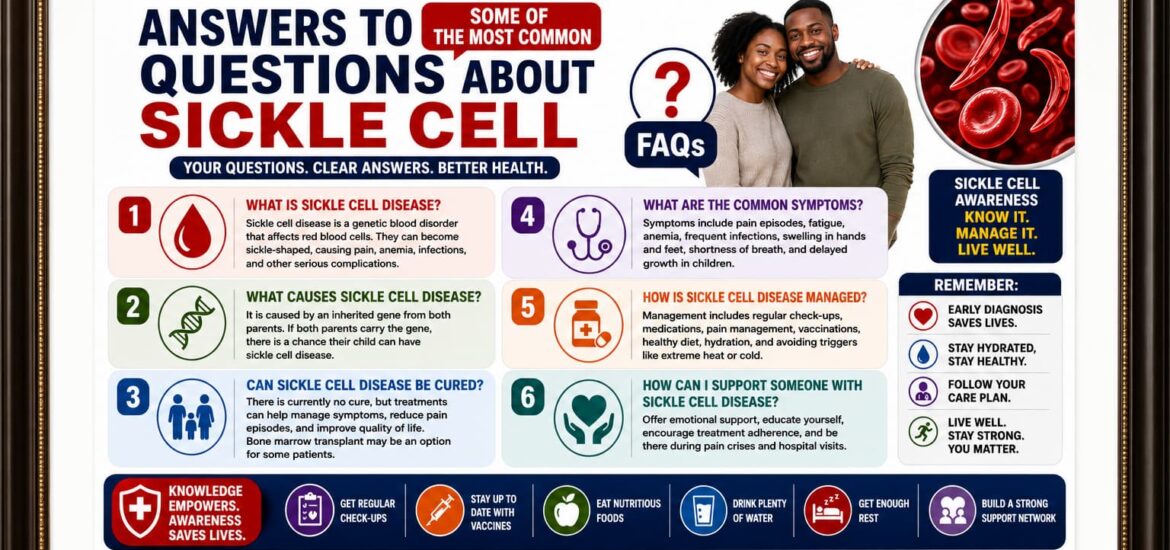
Sickle cell disease is a common inherited blood disease throughout the world. It causes the red blood cells to become misshapen and malfunctional, causing numerous health issues. The condition raises many questions in the minds of many individuals and families regarding the cause of the disorder, signs, symptoms, treatment and prognosis. You will find a variety of answers to some of the most common questions you may have about sickle cell disease and information to help you understand and manage it.
The Sickle Cell Disease Overview.
What is Sickle cell disease?
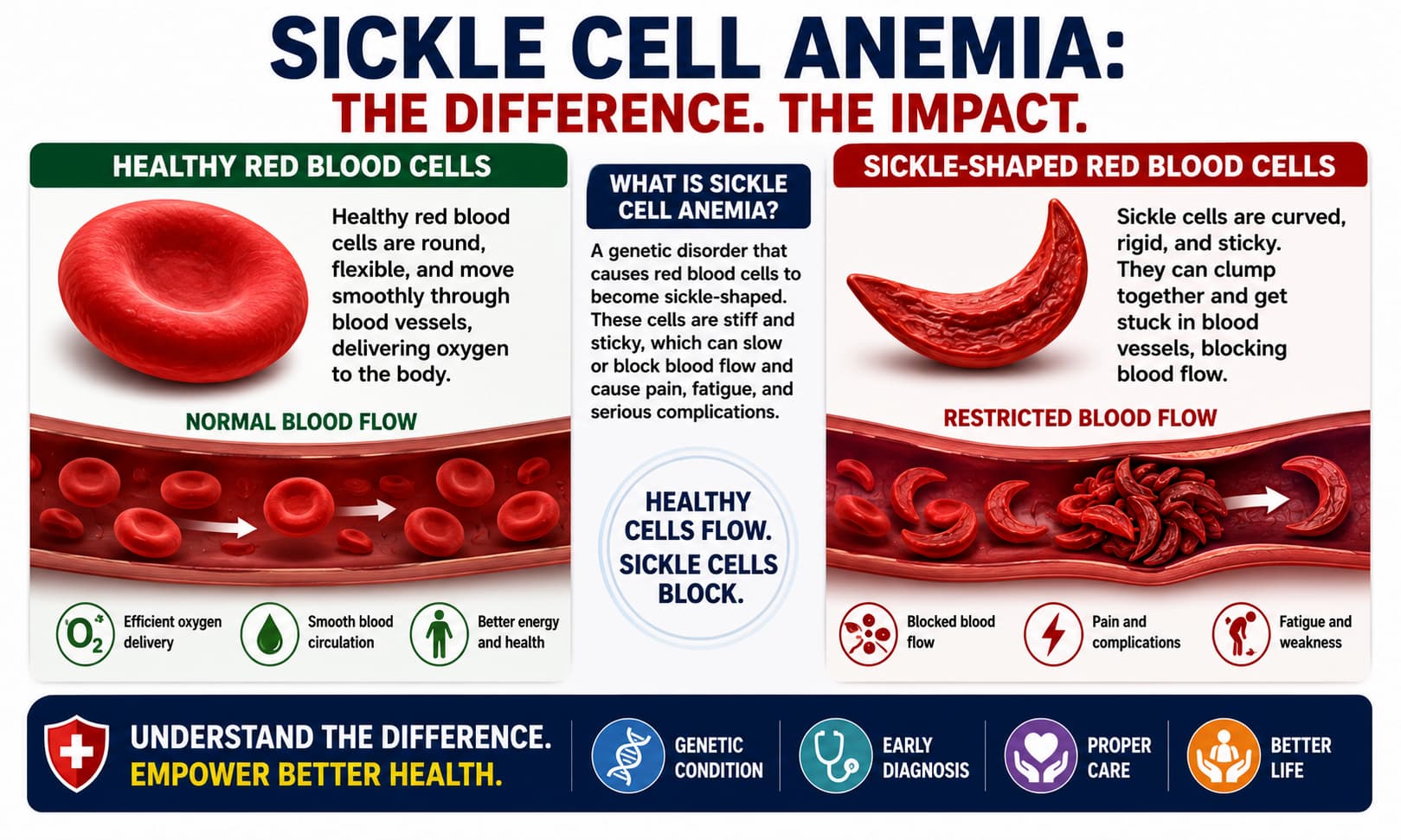
Sickle cell disease is a blood disease that is passed down through the genes and causes the red blood cells to be harder, stickier and therefore sickle-shaped instead of being round and flexible. These abnormal cells can obstruct the flow of blood, thus cutting off oxygen to tissues and organs. This can lead people to suffer from pain attacks, tiredness and other health issues.
General Information about Sickle Cell Disease
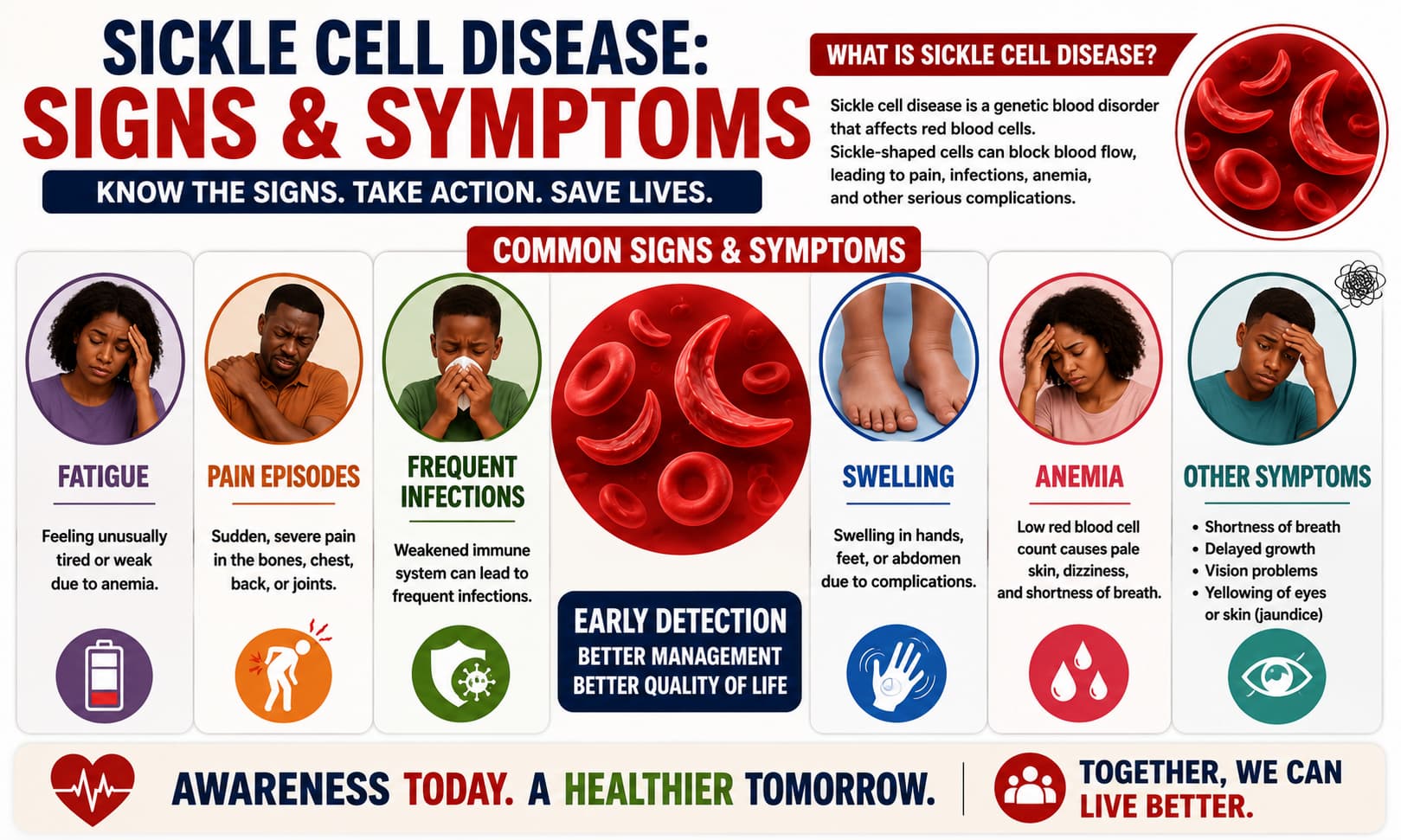
What are the symptoms of it and what are its signs?
Sickle cell disease symptoms and signs are different in each person. Fatigue, anemia, swelling of hands and feet, delayed growth in children, frequent infections and severe pain (pain crises) are common symptoms.
What is the cause of sickle cell disease?
The disease is passed on from parents via certain genes. Sickle cell disease occurs when an individual receives the sickle cell disease gene from both his or her parents.
FAQ: Is the sickle cell disease a serious health condition?
Yes. As time goes on, the following problems can occur with sickle cell disease. These could be stroke, organ damage, vision issues, infections, acute chest syndrome and chronic pain. With early diagnosis and on-going medical treatment these risks can be minimised.
Frequently Asked Questions: Does an individual with sickle cell disease have a normal life?
With the right medical care, healthy lifestyle and regular monitoring, many people with sickle cell disease lead a productive and fulfilling life.
What is Done to Manage Sickle Cell Disease?
How can you be treated?
Management may involve hydration, pain management techniques, medications, blood transfusions and prevention of healthcare. Advances in medicine have also led to new treatment options like gene therapy for sickle cell disease that seeks to treat the underlying cause of sickle cell disease in some patients who meet certain criteria.
Since the complications of sickle cell disease involve more than one organ, it is important for people to attend routine health care visits and have their own health care plan.

Product Spotlight: REBOOTAR-CD (CARDIO) Herbal Formula . CLICK TO GET IT
Want to Know More About Rebootar CD Herbal Formula? Click Here
Free information on supporting general wellness in a natural way.
REBOOTAR-CD (CARDIO) Herbal Formula is a helpful herbal formulation made up of naturally selected ingredients that are formulated to support the body’s general health and functioning. It could contribute to a balanced lifestyle, healthy digestion, natural detoxification process, balance of metabolism and overall vitality.

Good nutrition, adequate fluid intake, proper medical care and a healthy lifestyle are often helpful for people with sickle cell disease. REBOOTAR-CD (CARDIO) Herbal Formula can be used as a herb supplement in the person’s wellness program. It should be noted, however, that it is not a treatment for sickle cell disease, a diagnosis for sickle cell disease, a cure for sickle cell disease, a prevention of sickle cell disease, nor a replacement for healthcare professionals’ treatments like gene therapy for sickle cell disease.
Conclusion
It may help individuals to make decisions about their healthcare if they understand what sickle cell disease is, the symptoms of sickle cell disease, and what treatment options are available. Early detection and treatment of sickle cell disease, along with proper treatment of potential complications of the disease through routine medical care, can enhance a person’s quality of life. Advances in the treatment of sickle cell disease, such as gene therapy, are still under way, and this may lead to better outcomes in the future.
