
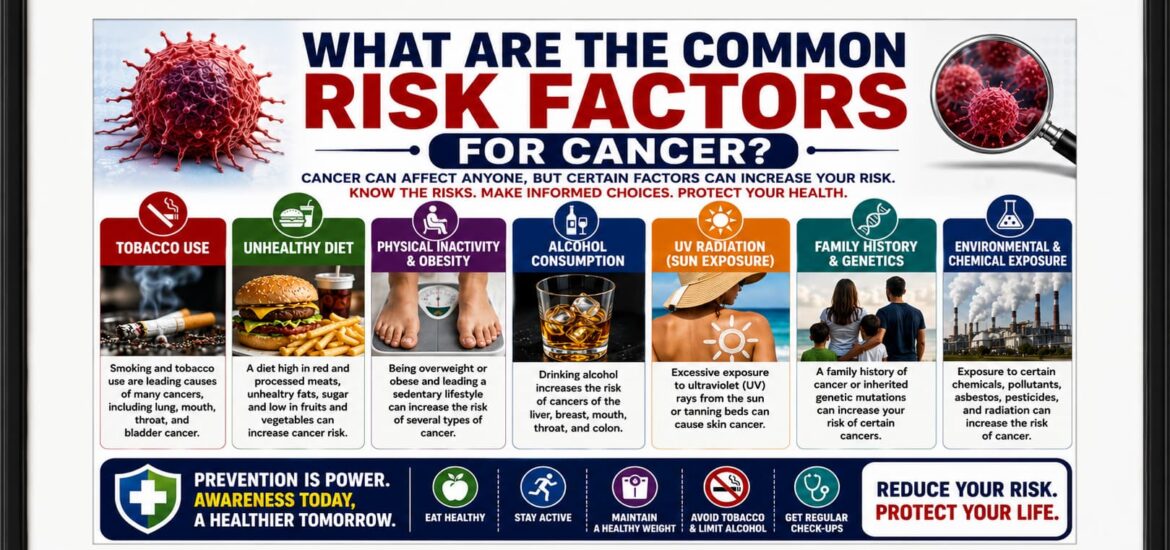
Cancer is one of the biggest health problems in the world and millions of people suffer from it annually. A condition that results from the presence of abnormal cells that grow out of control and invade other parts of the body. Not all cancer diseases are preventable, but by knowing the risk factors of cancer, people can make a healthier decision to decrease their risk. Education and early diagnosis continue to be key weapons in the battle against a number of cancers.
The ability to explain cancer and risk factors.
Cancer is not one disease, but is actually a family of diseases that can occur in nearly all the tissues and organs of the body. Risk factors are conditions, actions or exposures that put an individual at a higher risk of developing cancer. People with one or more risk factor do not necessarily have a greater risk of cancer, but knowing about these risk factors may help support cancer prevention.
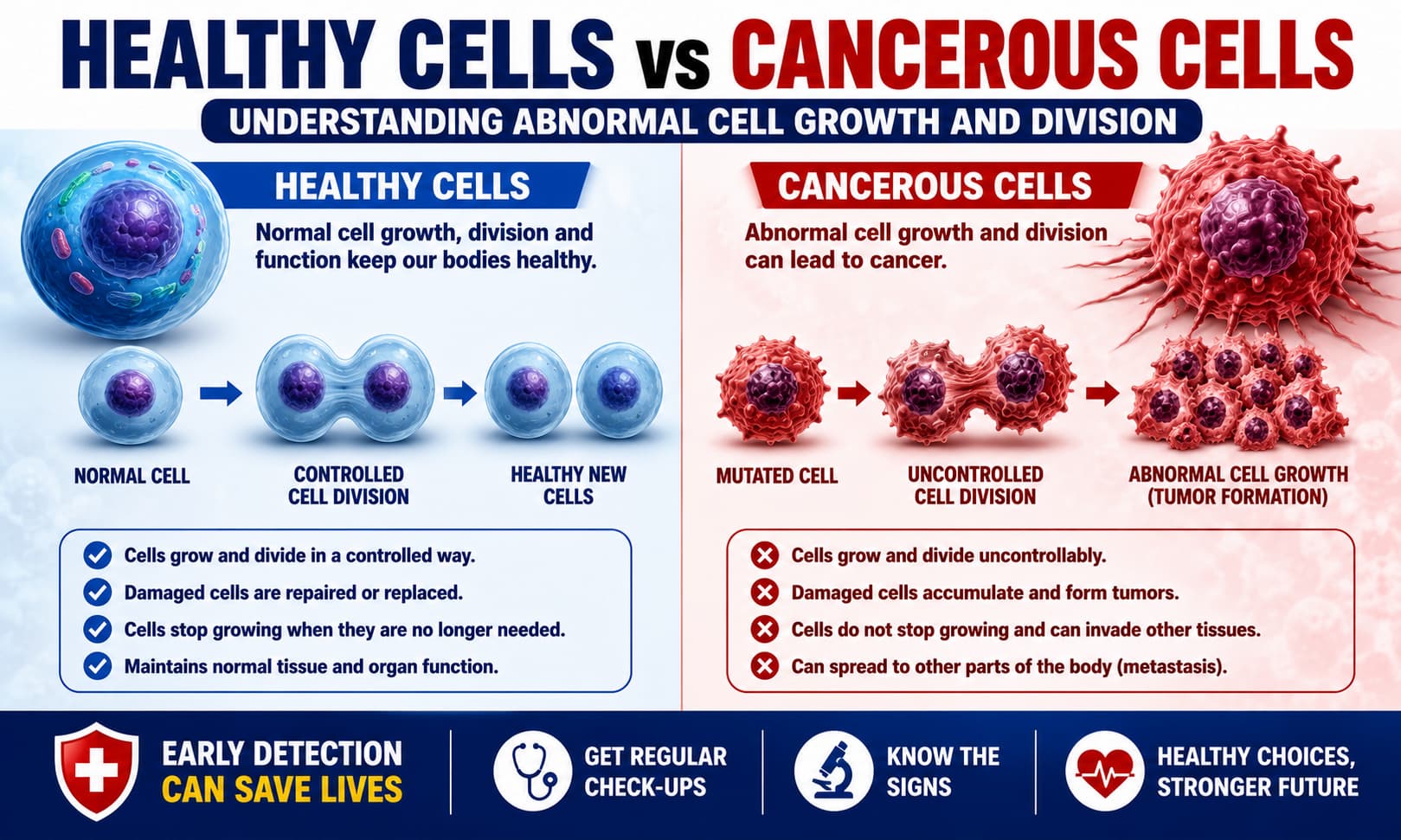
Common Cancer Risk Factors Explained!
There are a number of factors that have been associated with cancer risk.
Tobacco Use
Smoking and tobacco are two important cancer risk factors that can be prevented. They are associated with lung cancer and numerous other types of cancer.
Family History and Genetics.
Genetic mutations inherited by people can make them more likely to get some kinds of cancers, such as breast cancer and prostate cancer.
Unhealthy Diet and Obesity
Processed foods and a low-fruit and vegetable diet can put you at risk for cancer. Overweight is also linked to some types of cancer.
Exposing to harmful chemicals
Some chemicals and environmental exposures are associated with higher risk if exposures occur over a long period of time. In this case, asbestos exposure is strongly linked to the rare, but serious cancer of the lining of the lungs and other organs, mesothelioma.
Excessive Sun Exposure
The sun emits ultraviolet (UV) rays that can damage the skin cells and make a person more susceptible to skin cancer.
Chronic Infections
Some viruses, like human papillomavirus (HPV) and hepatitis viruses can cause cancer in the long run.
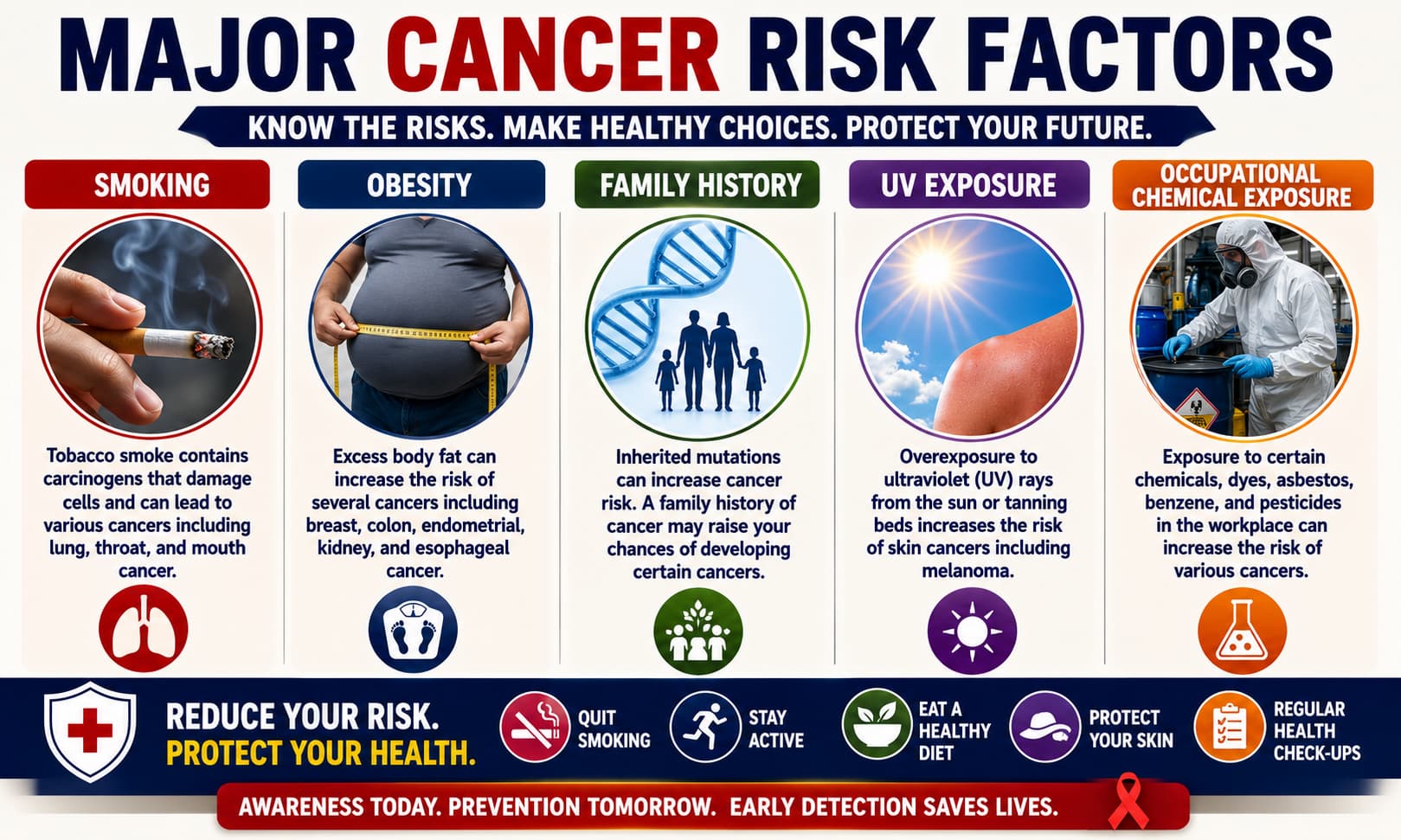
Why early detection is important.
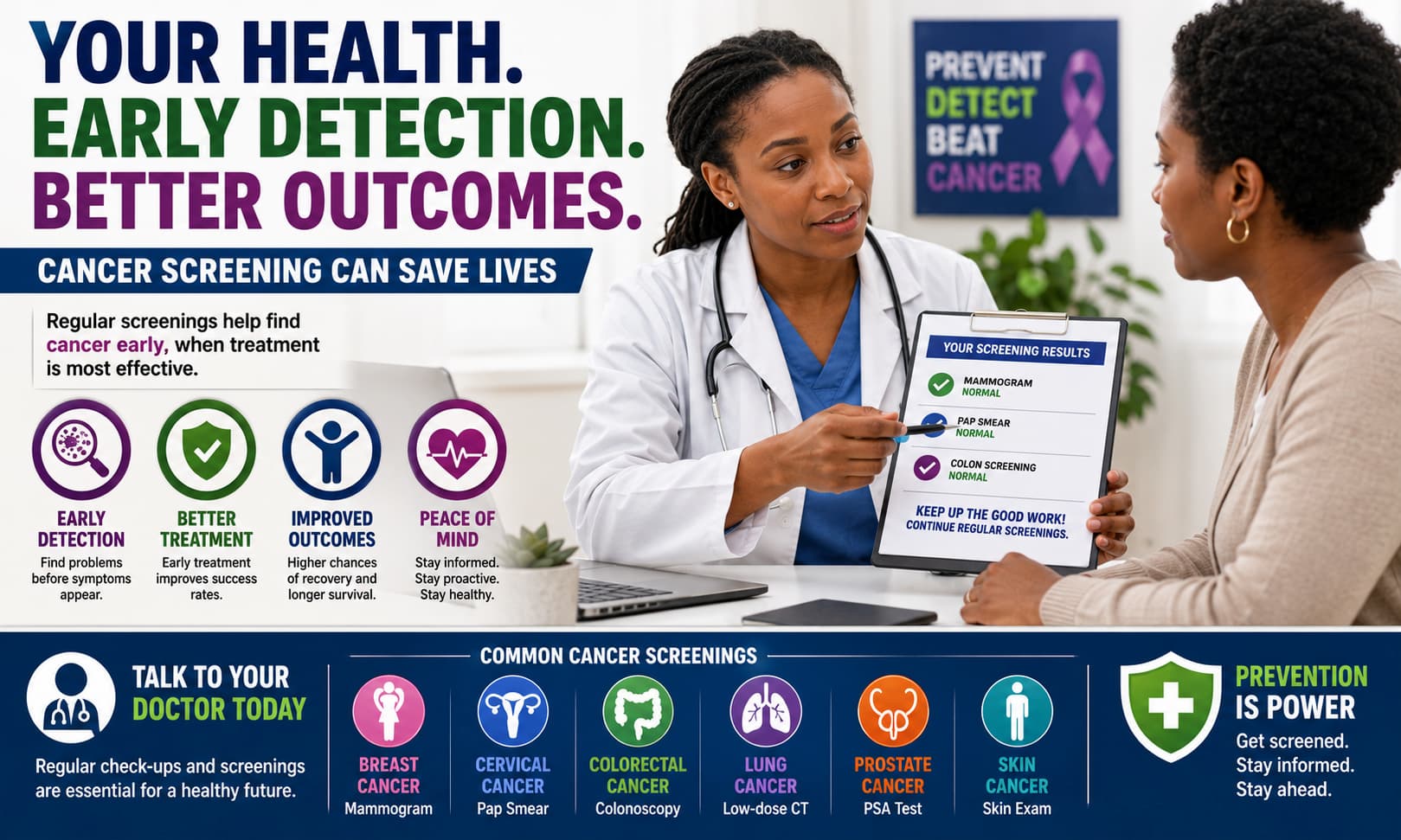
Early detection and diagnosis can greatly influence treatment results. Screening programs can be employed to identify breast cancer and prostate cancer before they cause symptoms. New treatments are continually being developed, and some cancer treatments like Keytruda are becoming critical. The recommendations for treatment depend on the type and stage of cancer, and should always be tailored to the treating professionals’ advice.
Conclusion
Knowing the risk factors of cancer can provide individuals with information they can use to make health decisions. Diseases like breast cancer, prostate cancer, and mesothelioma can be more likely to occur if someone smokes, drinks alcohol, has an unhealthy diet, is overweight, has a family history of the disease, or is exposed to environmental factors. Taking proactive measures toward health and wellness through healthy lifestyle choices, regular screening, and early detection can help people stay well.
