
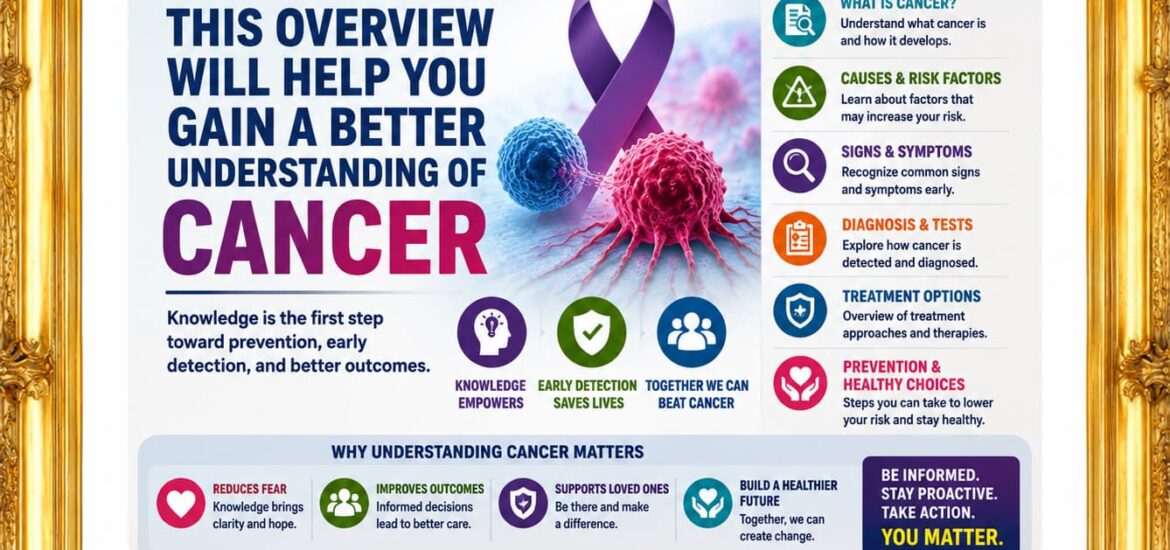
Cancer is a condition that is talked about more than ever before these days. It is a general term for a group of disorders in which abnormal (cancer) cells grow and multiply in an uncontrolled way in the body. Research in the field of cancer has led to a better understanding, early detection and treatment of many types of cancer. Knowledge about the cancer and the potential risk factors can enable individual to make informed decisions about health and their overall wellbeing.
What Is Cancer?
Cancer occurs when abnormal cells start to grow uncontrollably in the body, and can invade nearby tissue or spread to other parts of the body. Normally, cells grow, divide and die in an orderly fashion. Cancer disturbs this healthy process.
Cancer can have a number of different forms depending on the source of abnormal cells. Common types include breast cancer, prostate cancer, lung cancer, colon cancer and pancreatic cancer. Others are less prevalent, such as small cell lung cancer, bile duct cancer and bladder cancer.
There are specific characteristics, symptoms, risk factors and treatment strategies for each type of cancer. That is why a timely diagnosis and personalized medical treatment are very crucial.
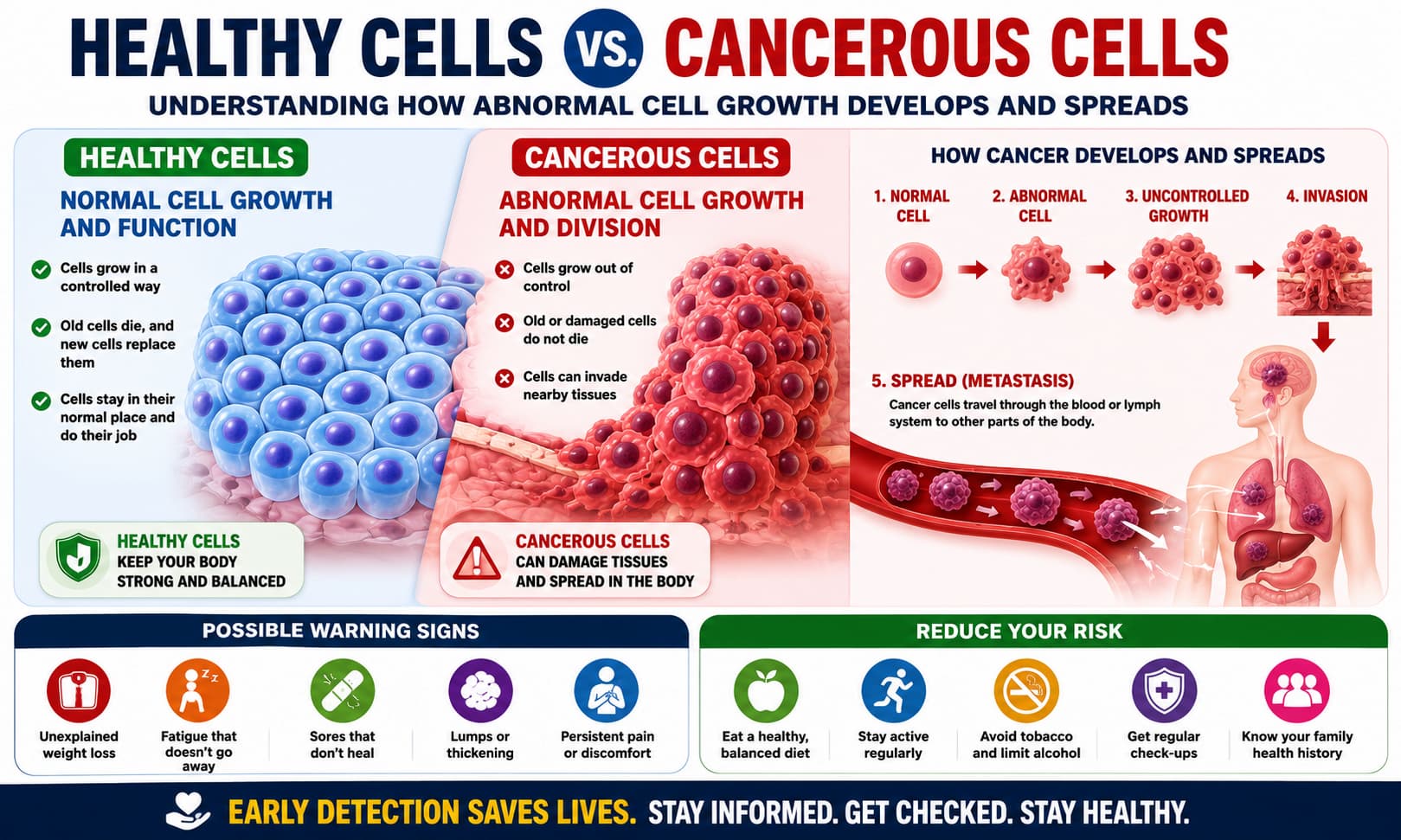
These are some of the common risk factors and warning signs.
Although the exact cause of all cancers is not fully understood, there are some factors that may make some people more susceptible to developing cancer. These include:
Tobacco use
Family history of cancer
Excessive alcohol consumption
Environmental exposures
Certain infections
Poor lifestyle habits
Symptoms that could indicate the problem are:
Unexplained weight loss
Persistent fatigue
Any changes in bowel and/or bladder function
Mammographic color changes or unusual lumps or swelling.
Persistent pain
Long-lasting coughs
Be aware of these symptoms, but they do not necessarily mean cancer; if they continue, check with a health care professional.
These lifestyle habits will help promote overall wellness:
No one can promise prevention, but healthy practices can help to achieve general well-being and to lower some risk factors. Experts commonly recommend:
A healthy diet that consists of a good balance of fruits and vegetables
Exercising regularly
Keeping a healthy weight,
Avoiding tobacco products
Limiting alcohol consumption
Attending health screenings (recommended)
Ongoing cancer research is still investigating the role of lifestyle in the prevention of chronic disease.

Conclusion
Cancer is a frightening diagnosis, and it can be intimidating when it comes to understanding the different types of cancer, such as breast cancer, prostate cancer, lung cancer, colon cancer and pancreatic cancer. Awareness is a key element of long term health when coupled with a healthy lifestyle and routine medical follow up.
