
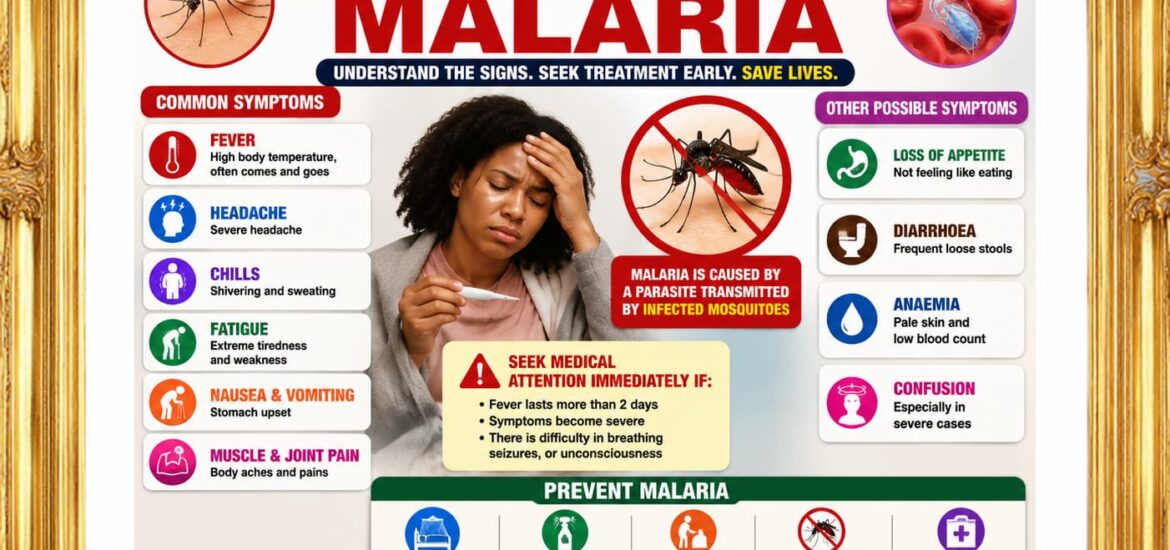
Malaria continues to be one of the major public-health problems in many parts of the world, especially in the tropics and sub-tropics. Although significant advances have been made in health care, millions of people are still suffering from this disease transmitted by mosquito each year. By educating communities about malaria, its transmission and the need for prevention, they can help decrease the risk of contracting the disease and improve health outcomes.
What Is Malaria?
Malaria is an infectious disease of humans caused by a malaria parasite spread through the bite of infected female mosquitoes. After being taken into the body the parasite reaches the liver and then makes its way into the bloodstream to infect red blood cells.
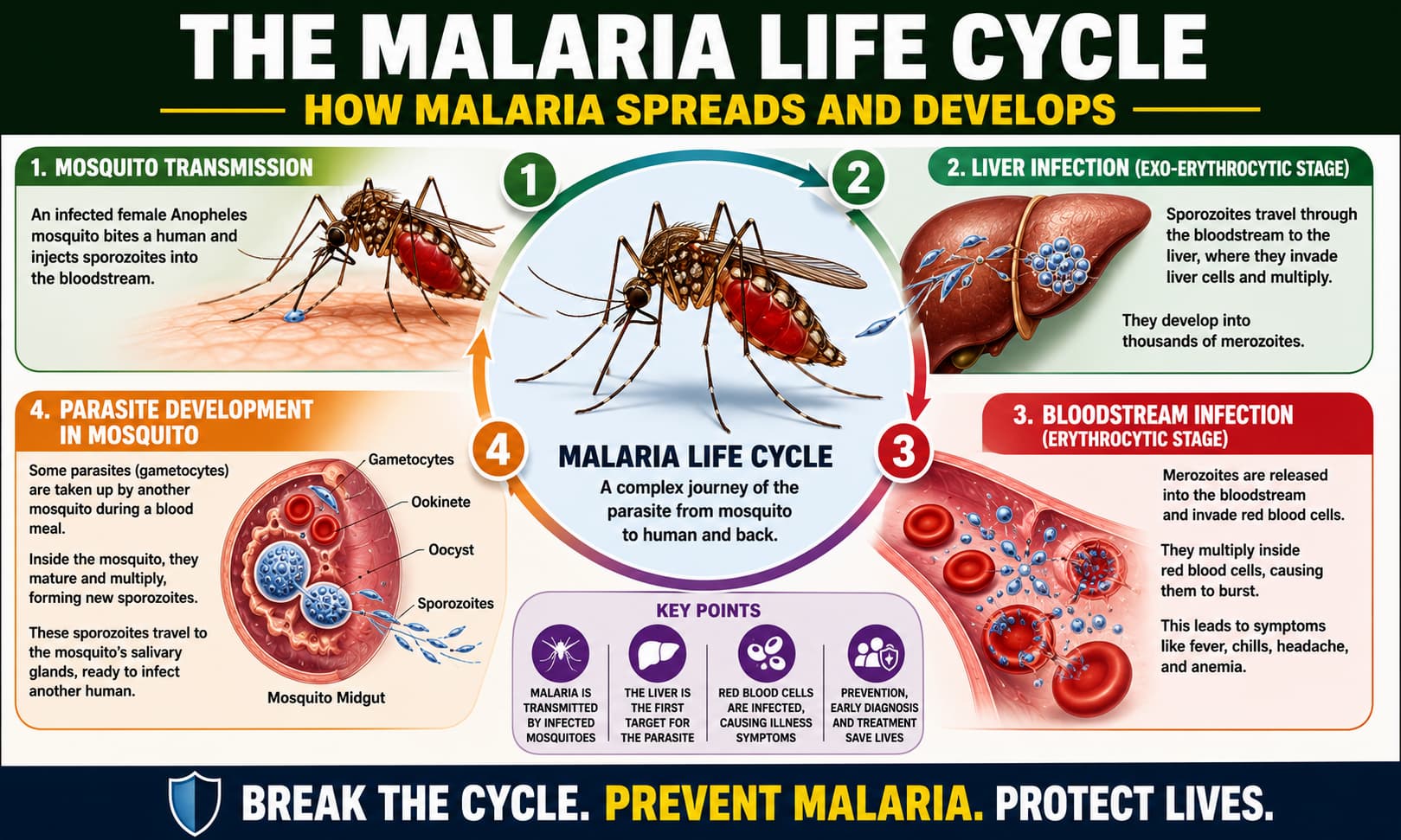
Malaria comes in several varieties: caused by Plasmodium falciparum malaria, Plasmodium vivax, Plasmodium malariae, and others. Certain strains of malaria can lead to serious disease and need immediate treatment.
This knowledge of the malaria life cycle is crucial as it provides insights into how the parasite develops both in the mosquito and in humans, helping to create effective prevention and control measures.
Common symptoms and Public Health impact
Malaria disease symptoms may differ from person to person and from one species of parasite to another. Common symptoms include:
Fever
Chills
Sweating
Headaches
Fatigue
Muscle aches
Nausea
Prompt medical evaluation is important as these symptoms can be similar to other illnesses. Malaria is caused by infection with malaria parasites via mosquito bites, so that the control of mosquitoes is a crucial public health measure.
Malaria can also impact communities through the effects on individuals, such as the higher demand for health care, lower productivity, and economic strain on health systems and families.
How to prevent and support healthy lifestyles.
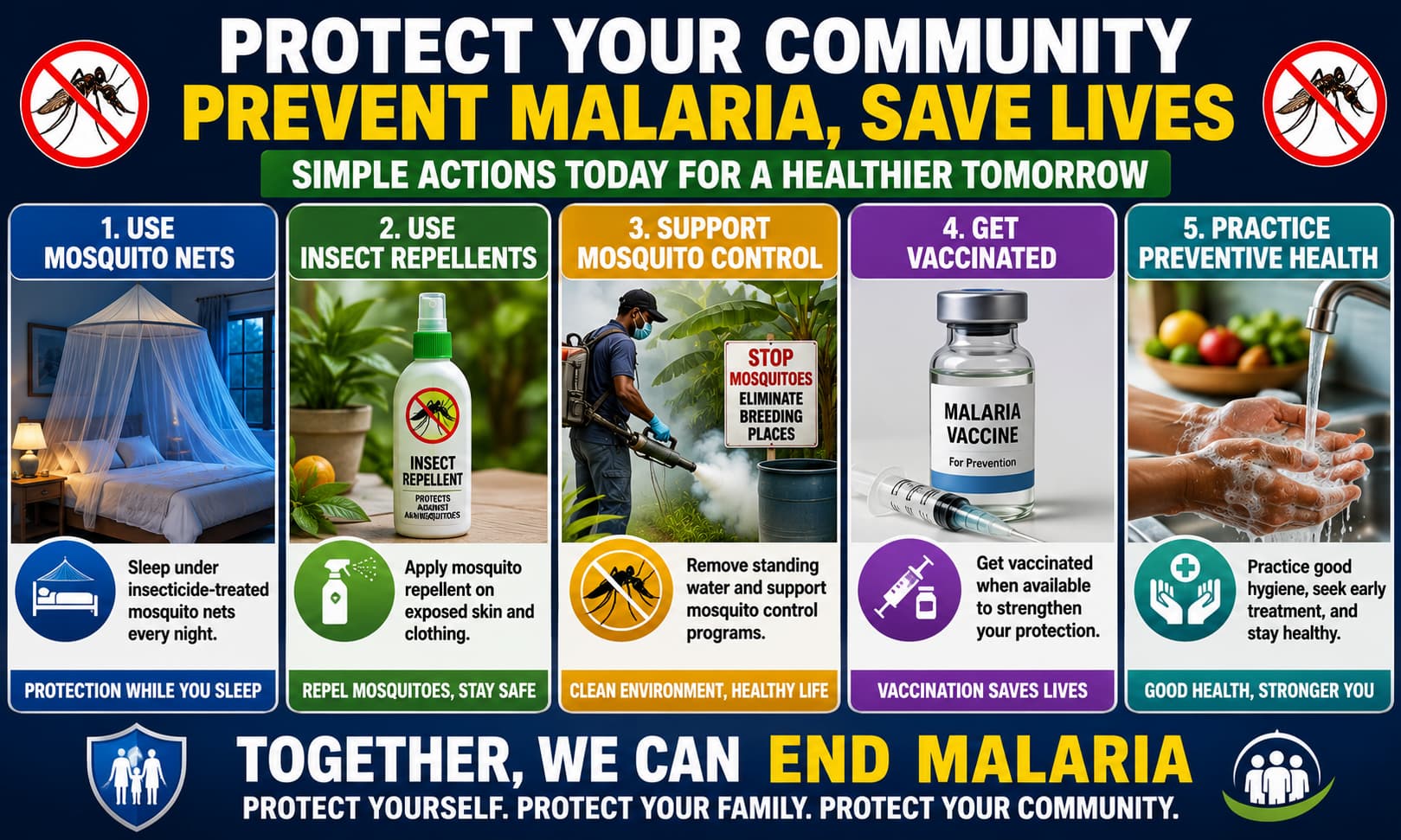
Malaria prevention is one of the best ways to decrease the burden of malaria. The following are generally recommended by public health agencies:
Lay sleeping under the mosquito net with insecticide.
Removing any stagnant water that attracts mosquitoes to breed in.
Wearing protective clothing
Using insect repellents
Getting quick treatment if symptoms occur
A malaria vaccine might be advised as part of comprehensive malaria control programs in certain areas. Also malaria prophylaxis (preventive medicine to minimise risk of infection) may be given to travellers going to high risk areas.
If an infection occurs, medical professionals may suggest a suitable treatment for malaria for the specific kind of malaria parasite and the level of infection symptoms.
Product Spotlight: Rebootar FS Herbal Formula . Help Maintain Optimal Wellness For Malaria
Get The Product Here
People who are interested in natural cures for their well being may be considering using herbal supplements. Rebootar FS Herbal Formula is a herbal product made by Greenature International Limited and marketed as a supportive herbal wellness product.
Rebootar FS is a nutritional supplement to support healthy living, a healthy diet and general well-being. A few people opt to incorporate herbal supplements into a larger wellness program. Rebootar FS should not be used to replace the professional medical diagnosis, malaria treatment, antimalarial drugs or health advice. People with symptoms of malaria should get immediate medical assessment from trained health care workers.
Conclusion
Education about malaria, the malaria parasite and why malaria prevention is important can help people and communities lower their risk of getting malaria. By educating the public, creating prevention policies, providing correct treatment for malaria and raising awareness, communities can continue to strive for better health and living standards.
