
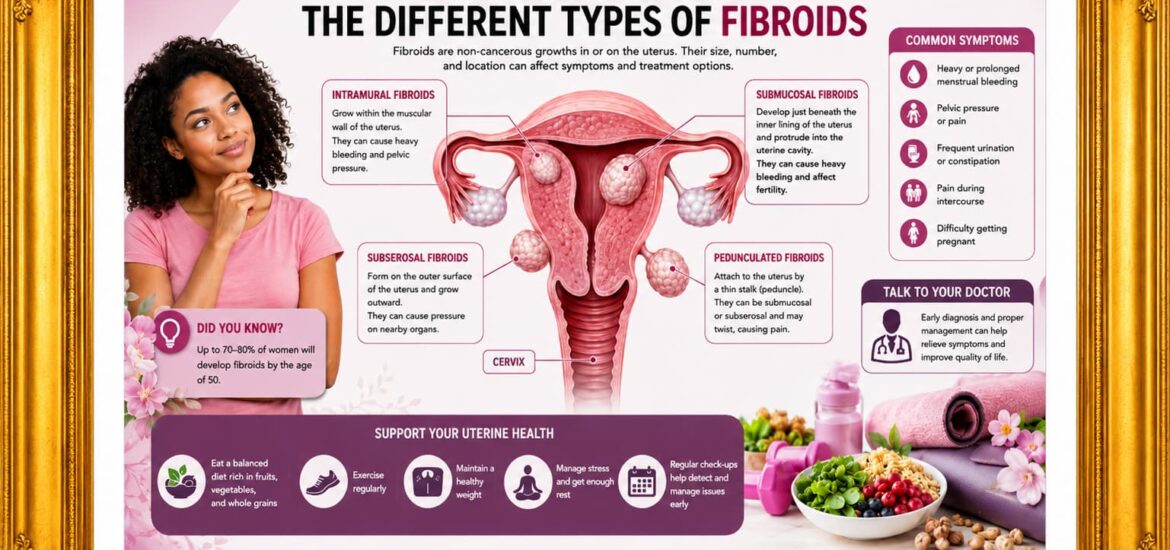
Fibroids are one of the most prevalent non-cancerous growths of women during their reproductive years. They are located in or on the uterus and can be one or more and large or small. Some women with fibroids do not have any symptoms while others might have heavy periods, pelvic pain or fertility problems. Understanding the various categories of fibroids can empower women to be aware of the signs and symptoms, and to seek timely medical attention and make decisions about their reproductive health.
There are a number of types of fibroids.
Fibroids can be classified into four types, each of which forms in a different area of the uterus. The most common is intramural fibroids which develop in the muscular wall of the uterus. Submucosal fibroids grow inside the lining of the uterus and can lead to heavy periods and/or lead to issues with fertility. Subserosal fibroids are located on the outside of the uterus, and may press against nearby organs like the bladder or bowel. Pedunculated fibroids are those which are connected by a thin stalk, and can occur either inside or outside the uterus.
Symptoms caused by the fibroids are not necessarily based on the type alone, but may also be dependent on size, number and location of the fibroids.

The symptoms, risk factors and diagnosis are discussed.
There are a number of women who have fibroids and do not have any type of symptoms. Some common symptoms are heavy or prolonged menstrual periods, pelvic pain or pressure, lower back pain, frequent urination, constipation, discomfort during sex and in some instances a difficulty with becoming pregnant.
There are several factors that may raise the chances of getting fibroids such as family history, age, hormonal effects, obesity and some genetic factors. Fibroids are usually diagnosed by an examination of the pelvis, ultrasound, MRI or other imaging tests to gauge the size and location of the fibroids, before deciding on the best treatment plan.
Rejuvenating and tonifying for Women’s fibroid Wellness through Rebootar Herbal Bitters. Get it Here
Herbal wellness supplements like Rebootar Herbal Bitters are selected by some women as a part of their health regimen. Rebootar Herbal Bitters is formulated using a proprietary blend of herbs to help support general wellness in conjunction with a healthy diet, regular physical exercise, healthy hydration, stress reduction and routine medical care. Is not a diagnostic, therapeutic, curative or preventive treatment for fibroids or alternative to professional medical treatment. Herbal supplements should not be used by women who have abnormal bleeding, pelvic pain, fertility problems or by women under the care of a physician for the use of prescription medications.
Support Your Healthy Lifestyle with Rebootar DD Herbal Formula — Get More Information Here

Healthy Lifestyles for Reproductive Health
Maintaining a healthy diet of fruits, vegetables, lean protein and whole grains, exercising and keeping a healthy body weight are important components of supporting reproductive health. Other measures to support uterine wellness include managing stress, getting the appropriate amount of restful sleep, drinking plenty of fluids and regular gynecological examinations. These healthy lifestyle habits are in addition to medical care and will help you to stay healthy in the long haul.
Conclusion
Knowing the various types of fibroids can help empower women in identifying their symptoms early and get them evaluated promptly. While most fibroids are not dangerous, regular health exams and a healthy lifestyle are crucial to reproductive health. The most effective support for long-term uterine health is through an informed approach to medical care, balanced nutrition, exercise and overall practices leading to good health.
