
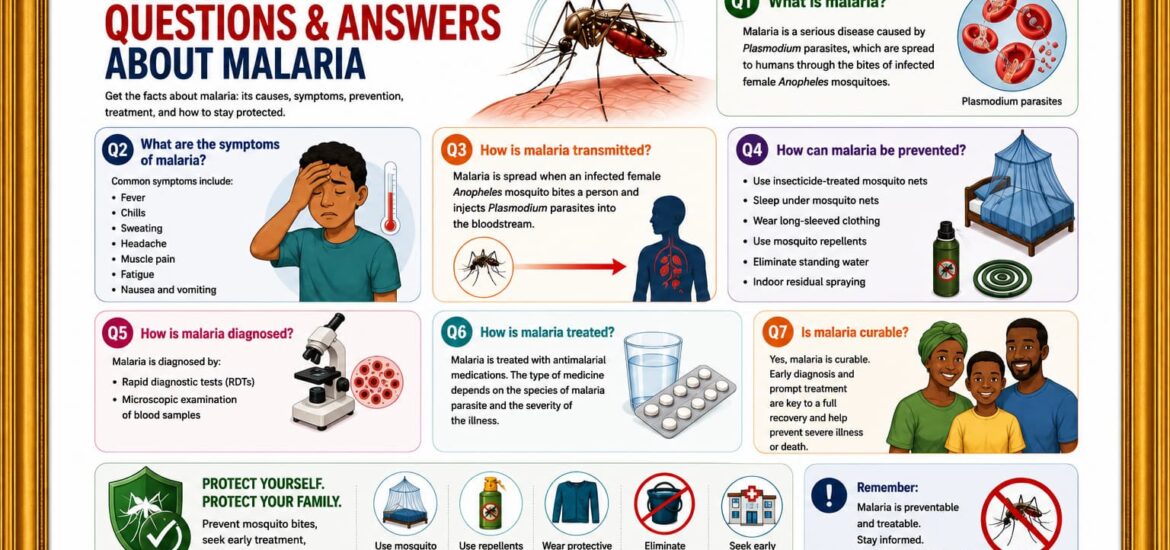
In many developing countries, especially in tropical and subtropical areas, malaria is still one of the common mosquito borne diseases. Despite great strides in prevention and malaria treatment, millions of people are still being affected by malaria annually. If people know the risk factors for malaria, its signs and symptoms, the availability of antimalarial medicines and the importance of the malaria vaccine, they can protect themselves and seek immediate medical attention.
Why Malaria Happens and How It’s Transmitted
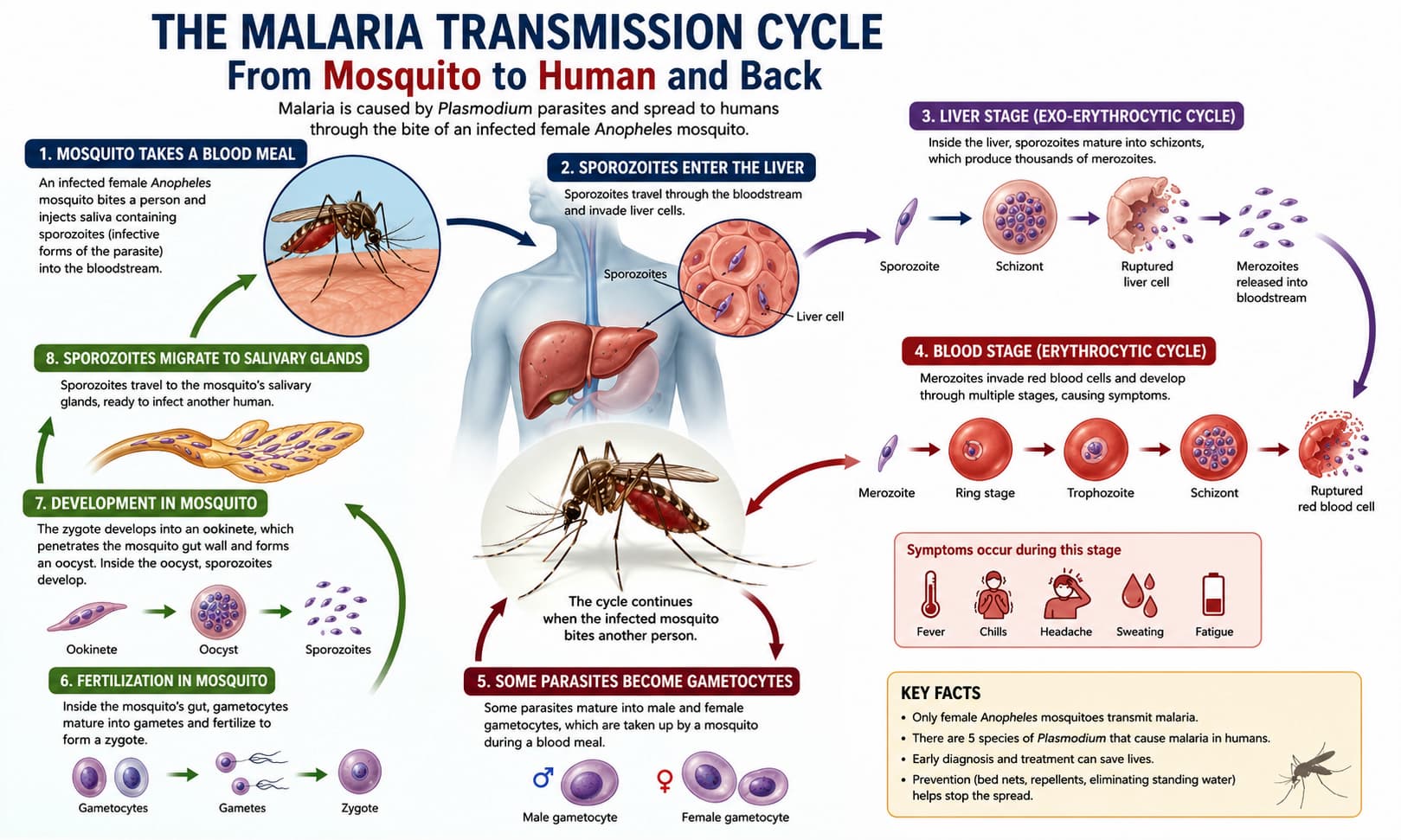
The causes of malaria are Plasmodium parasites that are transmitted through the bite of infected female Anopheles mosquitoes. Malaria is NOT transmitted by coughing, sneezing, talking, eating, or shaking hands.
Malaria can be a number of different types; one of the most severe and common is caused by Plasmodium falciparum, the type responsible for many serious cases in many African countries. There are other species, such as P. vivax, P. malariae, P. ovale and P. knowlesi, which cause various patterns of disease and are geographically different.
What are the symptoms of malaria ?
Symptoms of malaria include fever, chills and sweating, headache, muscle pains, tiredness, nausea, vomiting and/or diarrhea. Typical symptoms occur a few days after infection but vary depending on the type of parasite.
If untreated, severe malaria can result in life-threatening complications such as confusion, seizures, difficulty breathing, serious anemia, kidney failure or other serious medical conditions.
Diagnosis and treatment of malaria.
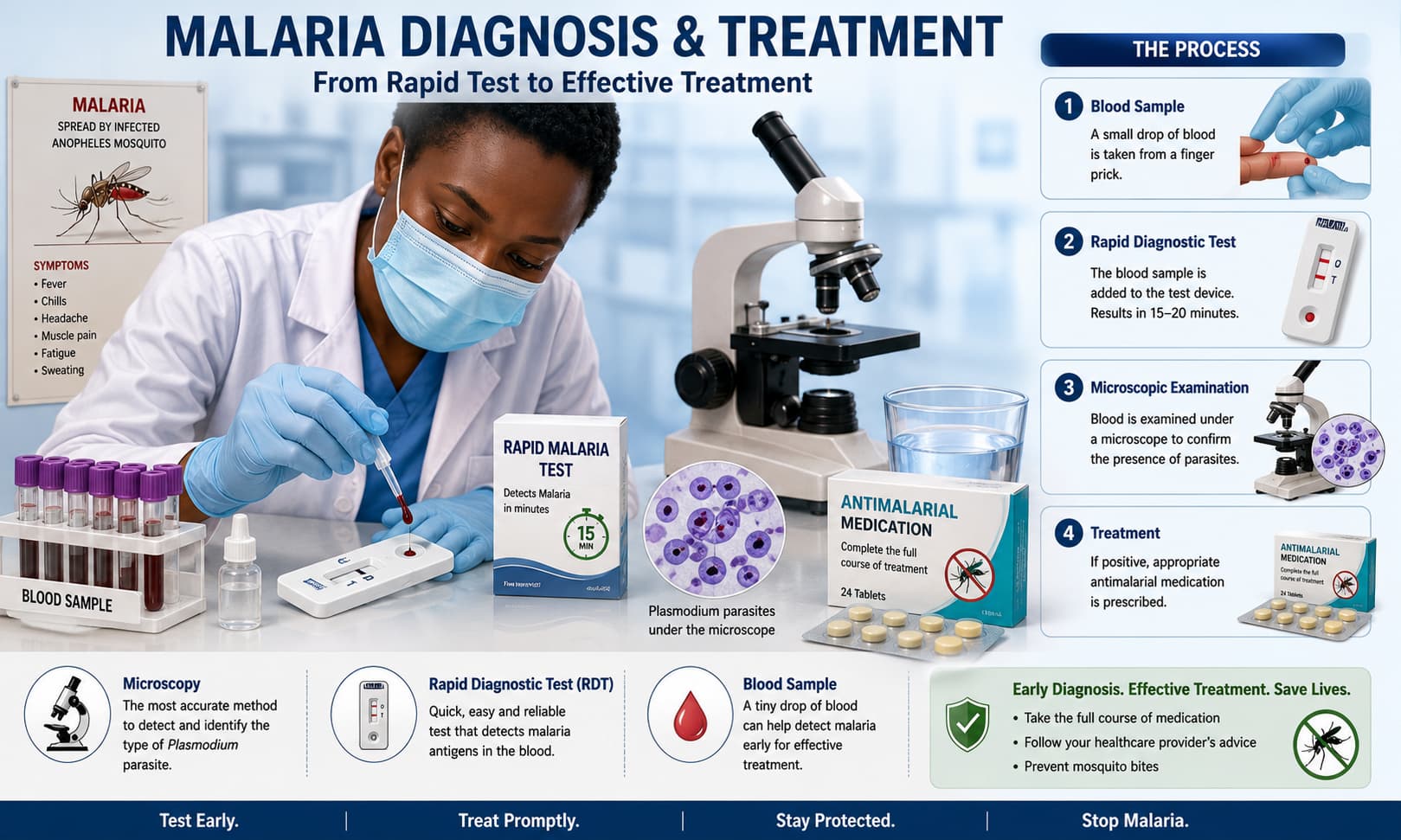
Malaria is diagnosed with blood smear microscopy, rapid diagnostic tests (RDTs) and other lab investigations if necessary, performed by healthcare professionals. Early diagnosis means timely treatment of malaria, thus minimizing the risk of complications.
Treatment varies for each type of parasite, the stage of the disease, drug resistance in the region, and the health of the individual. Prescription of suitable anti-malarial drugs and stressing the completion of the course of treatment for effective treatment is emphasized by healthcare providers.
What can be done to prevent malaria ?
The only way to prevent malaria is to minimize exposure to mosquito bites. Mosquito nets treated with insecticide, mosquito repellents, window screens and elimination of standing water all decrease mosquito contact.
The malaria vaccine has been added to other prevention tools available to eligible children in selected high-risk communities. Vaccination does not eliminate the need for other malaria prevention measures, but can help decrease the chances of a serious malaria episode. It may also be recommended that travelers go to malaria-endemic areas take preventive antimalarial drugs.
Get Rebootar FS to supports Overall Maleria Wellness.
Early diagnosis, quick treatment for malaria, proper antimalarial treatment, proper hydration, nutritious meals, good rest, and continued medical surveillance are all essential to recovery from malaria.
Rebootar fs is made with carefully selected herbs that promote health, healthy digestion, circulation, metabolism and the body’s natural detoxification. It is not designed to diagnose, treat, cure or prevent malaria, to replace antimalarial drugs or to replace the malaria vaccine, but some people believe it is a healthy lifestyle component to be taken with medical care.
Conclusion
The knowledge of causes of malaria, its symptoms and prompt malaria treatment are still crucial for preventing serious consequences. Making informed choices, whether it is about the various forms of malaria, taking prescribed antimalarial drugs or knowing about the malaria vaccine, can help keep you healthy. These, in combination with mosquito control and routine medical treatment, are the most effective tools for controlling malaria and helping to maintain overall health.
