
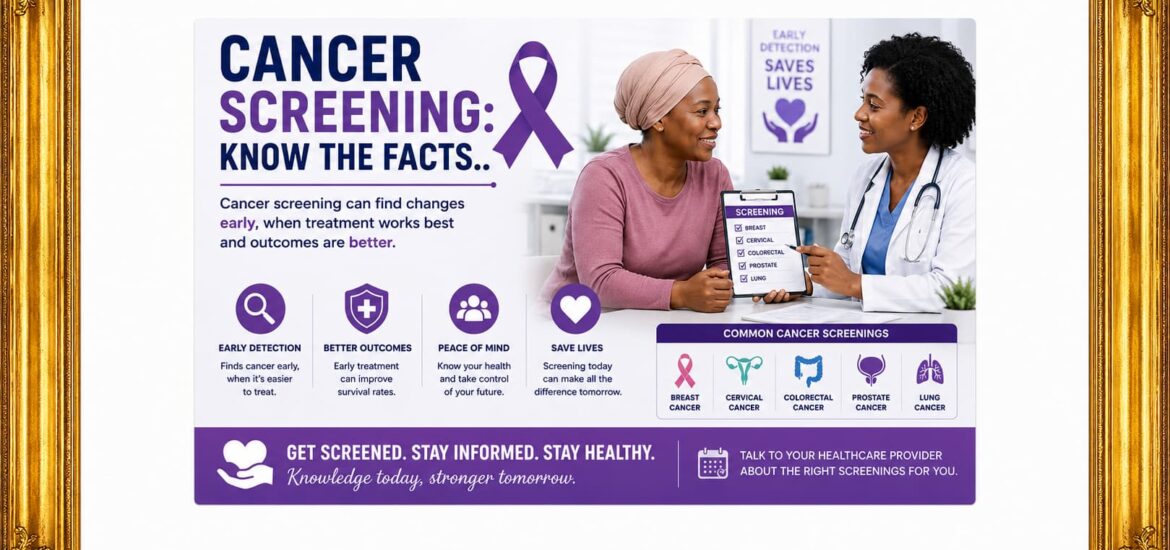
Cancer Screening is one of the most effective ways to identify Cancer at an early stage – even before symptoms occur. Early diagnosis can enhance long-term outcome and make treatment more successful. For some cancer types, there is no recommended screening test, but some common cancers can be detected early by regular check-ups. Awareness about Cancer Screening allows people to play an active role in their health and get timely medical screening for cancer prevention.
What is cancer screening and why is it important?
Cancer Screening is medical tests that are used to check for Cancer in anyone who has no symptoms of the disease. Screening differs from diagnostic testing because the idea is to detect disease prior to the development of a symptom at which time treatment may be more effective.
Common Cancer Screening tests are screening mammograms for breast cancer, cervical screening tests, colorectal cancer screening, prostate evaluation for selected individuals, and low-dose CT scan for individuals with a high risk for lung cancer. Screening schedules are recommended depending on age, family history, medical history and other risk factors. Regular Cancer Screening can help identify abnormalities early and allow for prompt medical attention when necessary.

Who to screen and what symptoms are not to be ignored?
Whether or not Cancer Screening is necessary depends on each person’s individual risk factors. Adults should consult their health care provider about when to get screened or undergo screening, particularly if they have a family history of Cancer, smoke, or other risk factors.
While screening is for people who have no symptoms, warning signs are never ignored. If there are persistent lumps or bleeding that hasn’t been explained, if a person loses weight for no known reason, if they have no other reason for feeling tired, if they have a persistent cough, if the bowel or bladder habits change or if a person experiences pain of which they cannot explain, they should seek help from a health professional early. The early medical diagnosis is crucial for proper treatment.
Adopting a healthy lifestyle that contributes to lifelong health.
Although no single lifestyle behavior is capable of preventing Cancer, healthy behaviors can help to maintain health. A balanced diet high in fruits and vegetables, regular exercise, maintaining a healthy weight, avoiding the use of tobacco products, limiting alcohol intake, protecting the skin from excessive sun exposure and attending routine Cancer Screening appointments are also good steps toward preventive healthcare.
Conclusion
Regular Cancer Screening is a crucial tool for early detection of Cancer, which may have a better chance of being treated. Can take proactive measures to protect long-term health through recommended screening, healthy lifestyle habits and regular medical checkups. Talk to a health care provider about your own Cancer Screening plan and consider preventive care as part of your health care plan.
