
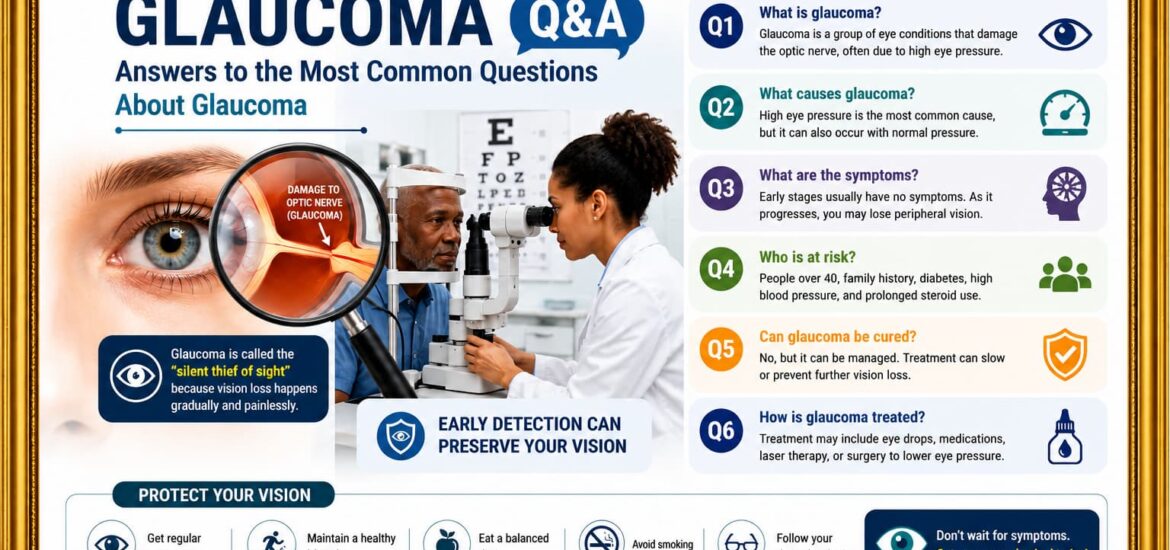
Glaucoma is one of the leading causes of permanent vision loss in the world, but few people know much about it until it starts to impact their vision. Glaucoma frequently occurs without any early signs or symptoms, making the importance of routine eye exams the key to maintaining eye health. Have you ever asked yourself if you should have an eye sight test, an eye check or a comprehensive eye exam, and wanted to know the answers to your questions?
What is Glaucoma and What Causes Glaucoma?
Glaucoma is a family of eye diseases that damage the optic nerve – the pathway that carries the images seen by the eye to the brain. In most instances, the damage is related to higher pressure within the eye, but glaucoma may develop at normal eye pressure.
Factors that increase risk are family history of glaucoma, diabetes, high blood pressure, previous eye injuries and long-term use of some steroid medications. Knowing these risk factors increases the likelihood that people will make a commitment to regular eye check appointments and safeguard their long term eye health.
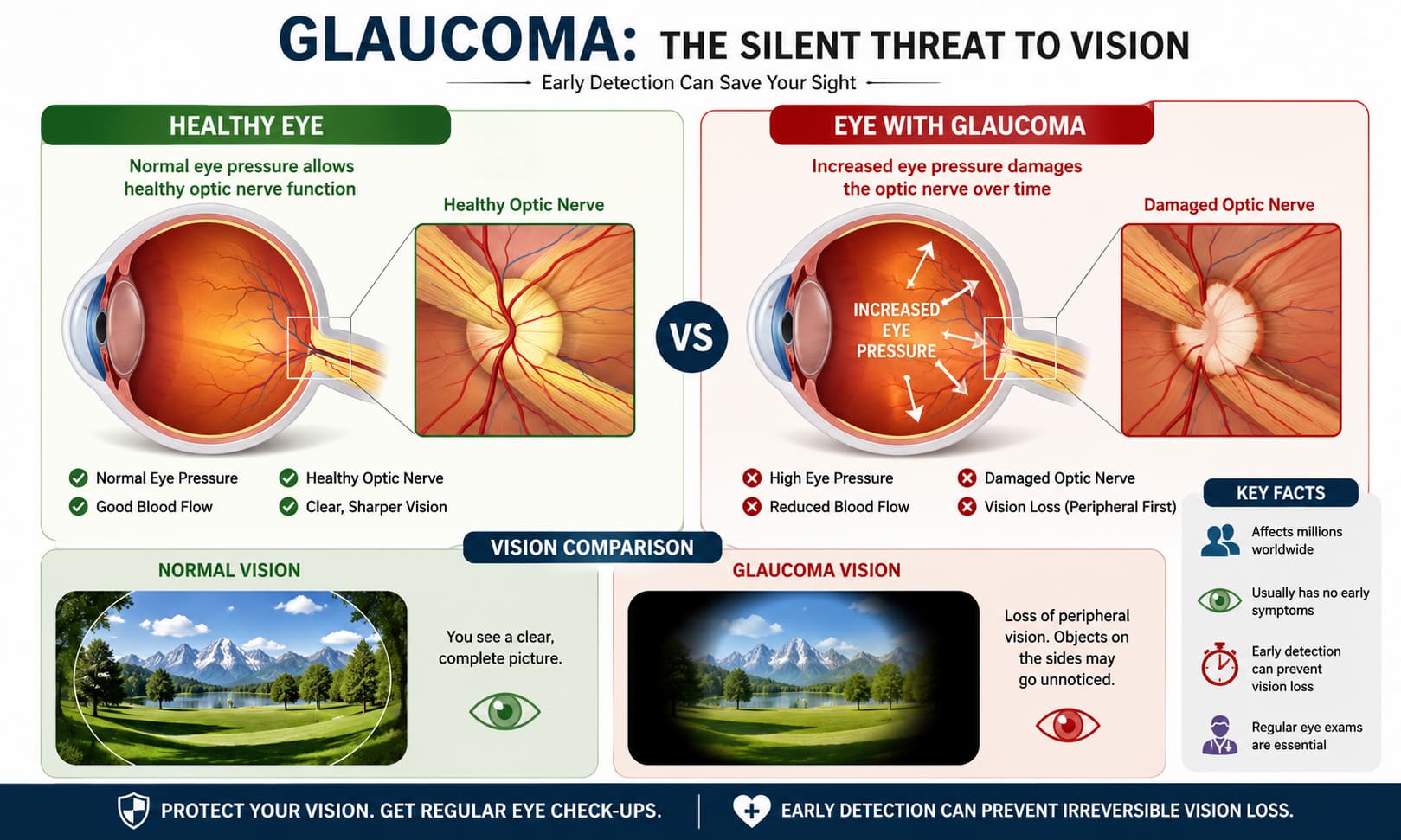
and reduced visual field.
What are the Signs and Symptoms of Glaucoma?
A major problem with glaucoma is that you may not notice any symptoms until after the disease is in its early stages. As the disease advances, a person will slowly lose out of vision, unknowingly, in his or her peripheral vision.
During an acute glaucoma attack, some individuals will also experience blurriness in their vision, eye pain, headaches, halos around lights, redness in the eye or sudden blindness. Routine eyes exam appointments continue to be the very best means of early eye disease detection because symptoms may not occur until later.
What are the diagnosis and treatment of glaucoma?
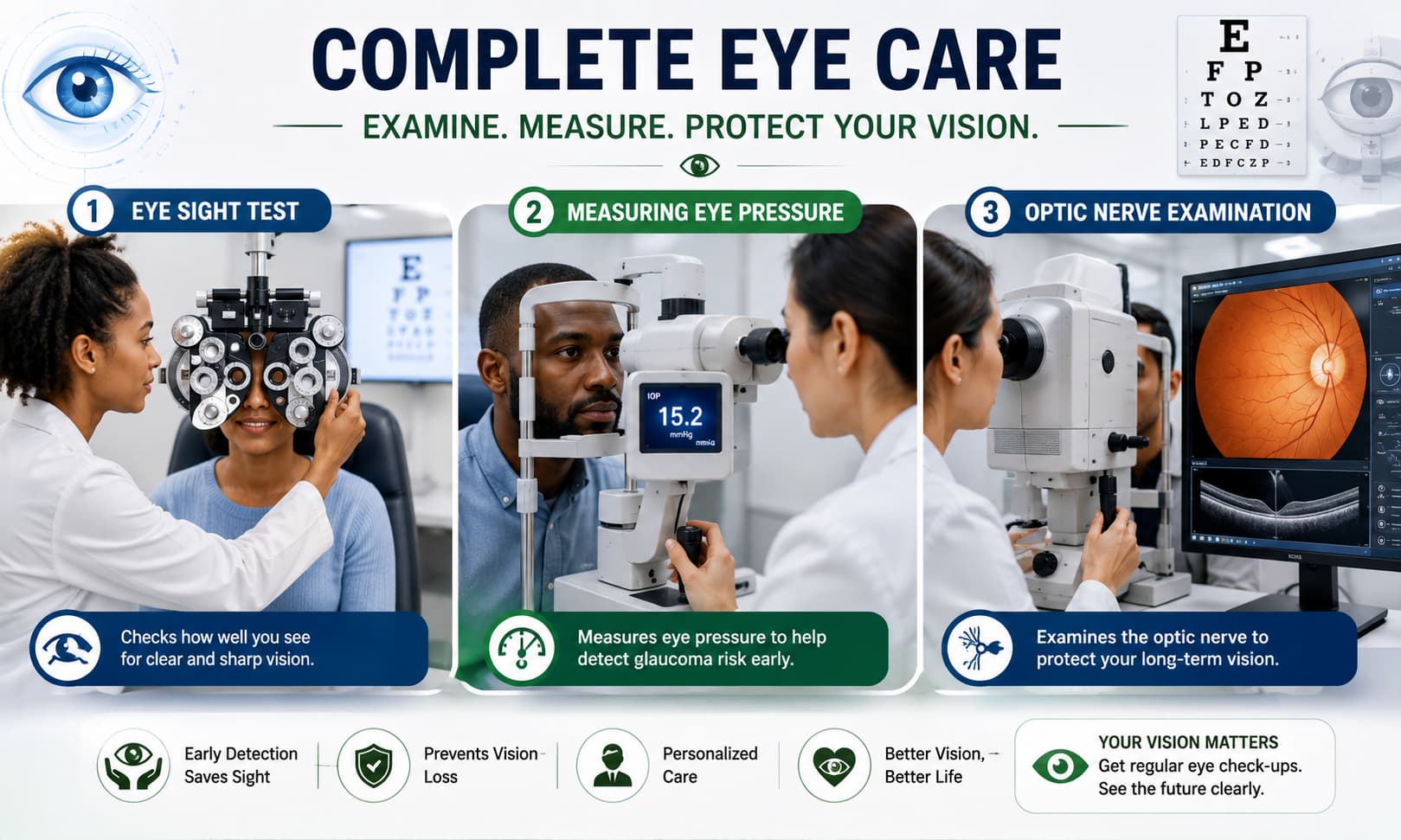
A thorough eye exam may involve measuring intraocular pressure, a visual field test, a slit lamp exam, and special imaging tests for the eye if required, to diagnose glaucoma.
If diagnosed early, treatment can begin prior to extensive vision loss. They may be treated with prescription eye drops, laser therapy, surgery or regular checkups to help maintain eye health, depending on the individual.
Are there ways to prevent glaucoma?
While glaucoma is not always preventable, early detection and treatment can help minimize the possibility of permanent vision loss. Regular eye examinations, having a family history, managing diabetes and high blood pressure, avoiding eye injuries and taking the advice of your healthcare provider can help maintain better eye health.
A few people also conduct eye health supplements as a component of their general health routine. But supplements should be used in addition to, and not as a substitute for, routine eye exams and medical treatment based on proven eye diseases.
Safeguarding your eyesight starts with regular eye check-ups, a healthy lifestyle, a balanced diet and following your doctor’s recommendations. It is important to see an optometrist regularly for eye exam to catch glaucoma early before damage to the vision can take place.
Conclusion
Being aware, preventing and getting regular care are important for good eye health. Early detection is the best way to protect from vision loss due to glaucoma – whether making an appointment for an eye sight test, going for an eye check or undergoing a comprehensive eye exam. These are a few of the steps that can be taken along with healthy daily habits and proper medical treatment to help maintain healthy eyes for years of vision.
