
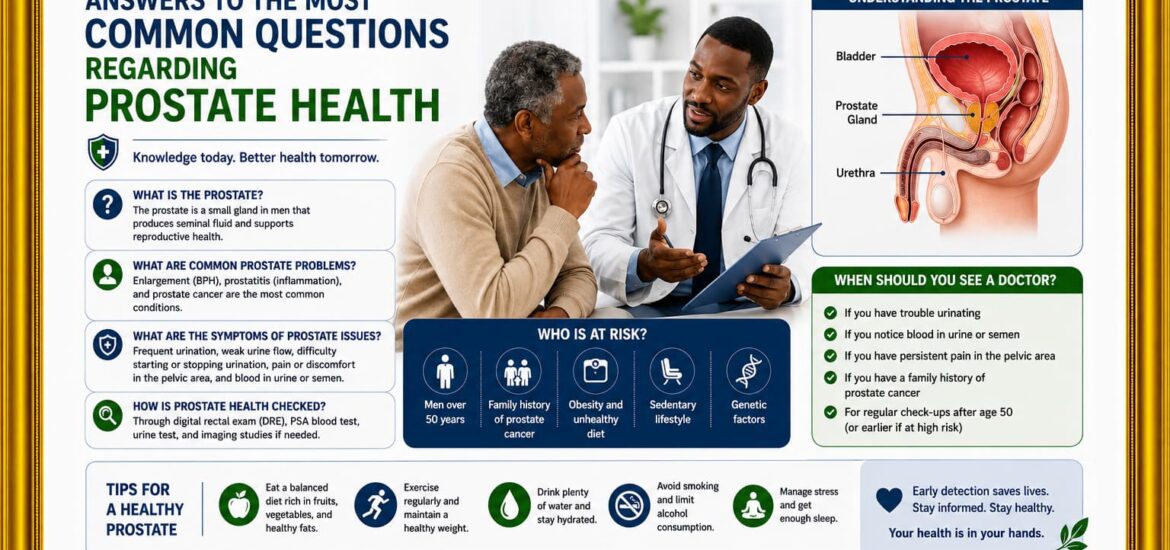
Prostate is a small gland, which is an important part of the reproductive system in men. As men age, it is more important to keep the prostate healthy, as there are a number of conditions that can impact the prostate, including benign enlargement, prostatitis and prostate cancer. Knowing about common signs, when to get medical attention and conducting regular health checks can help to maintain long-term health. This frequently asked questions (FAQ) guide addresses some of the most common questions about prostate health.
The Prostate and the importance thereof!
The prostate is beneath the bladder and envelopes the part of the urethra. The main role of its is to make fluid to help nourish and carry sperm during an ejaculation.
Many prostate problems are not cancerous, but some men might develop prostate cancer as they get older. Regular medical examinations keep any issues from becoming severe and better help if disease does occur.
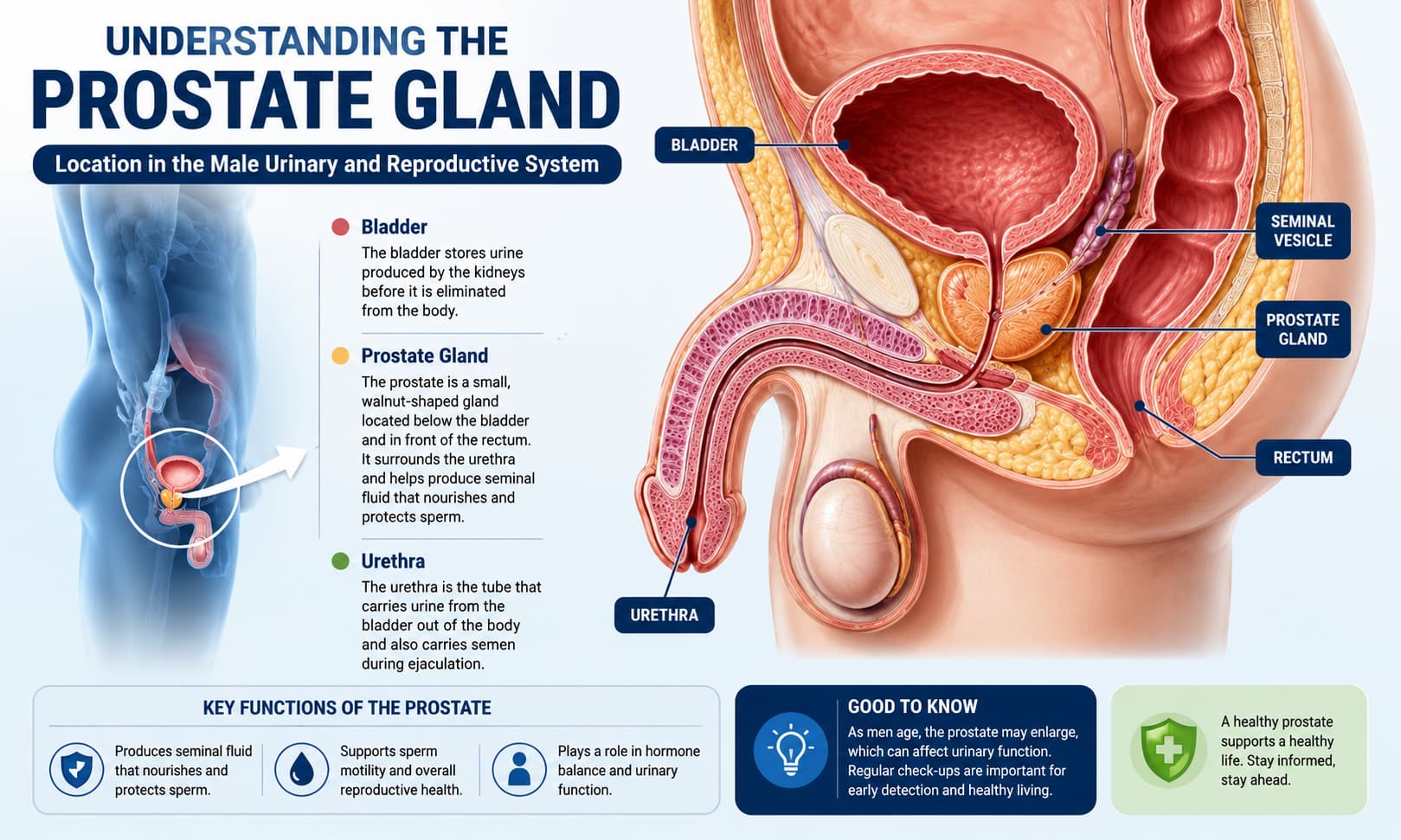
identifying the bladder, urethra, and prostate.
What is the common symptoms of prostate problems?
There are a number of urine symptoms which may be a sign of prostate problem. These include frequent urination, particularly at night, difficulties with initiating urination, weak urine stream, pain when urinating, blood in the urine or semen and pelvic discomfort.
Certain symptoms of prostate cancer may not be present in early stage prostate cancer. As prostate cancer spreads, the symptoms may include persistent urine changes, unexplained weight loss, bone pain or blood in the urine. The symptoms can be present in other prostate diseases, so it is important to have medical evaluation.
Diagnosis and treatment of prostate conditions.
The diagnosis of prostate disease is made with a medical history, physical exam, blood tests for prostate-specific antigen (PSA), digital rectal exam (DRE), urine tests, imaging tests and, if needed, a prostate biopsy.
Prostate cancer treatment will vary depending on the diagnosis and may involve active surveillance, surgery, radiation therapy, hormone therapy, chemotherapy or other specialized treatments. The earlier a diagnosis is made, the more options and long-term benefits may be achieved in treatment.

Men’s Health: WAYS TO SUPPORT PROSTATE HEALTH
Good health practices can help maintain a healthy prostate. Diet: A healthy diet that includes fruits, vegetables, whole grains, and healthy fats will help you stay healthy. Regular exercise is also a great way to maintain good health. Staying hydrated and not smoking will also help. Maintaining a healthy weight is important as well.
All men should talk to their health care provider about regular prostate cancer screening after age 50 (or younger if he has a family history of prostate cancer). Early detection is one of the most effective methods of identifying problems early before they get worse.
Making a healthy lifestyle, routine medical exams and taking action if you notice any urine symptoms are important first steps to support prostate health. Good nutrition, exercise, stress management, and preventive health care continue to be the cornerstone of a healthy way of life.
Conclusion
Education about prostate health empowers men to be aware of the symptoms of prostate cancer, to get early medical help if they have any concerns, and to go for regular prostate cancer screening. From urinary changes to the possibility of prostate cancer, early diagnosis and appropriate prostate cancer treatment are the best chances of successfully managing the situation. Preventative measures are an important part of maintaining prostate health throughout life when used with good health and preventive care measures every day and regular health visits.
