
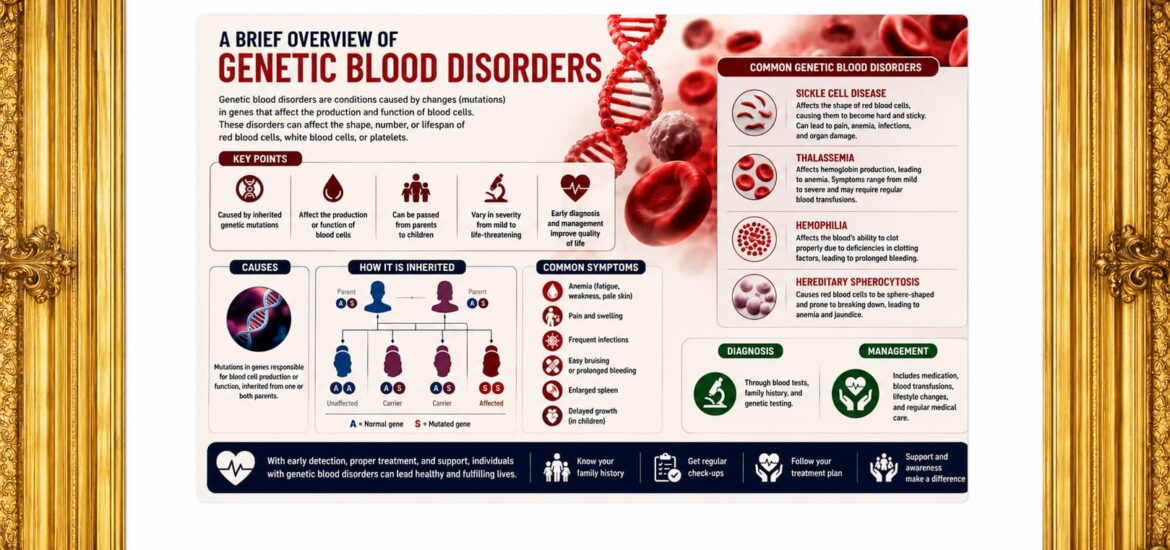
Some Blood Disorders are inherited by the child, meaning that they are passed down from parents to children through changes in the child’s genes. These can have a negative effect on red blood cells, white blood cells, platelets, or blood clotting proteins and result in various health issues. Awareness of the role genetics plays in Blood Disorders can assist people to understand possible risks, get early diagnosis, and make appropriate health choices. Many people with inherited blood disorders can benefit from a good disease management and early medical treatment to improve their quality of life.
What Is A Genetic Blood Disorder?
Genetic Blood Disorders are disorders of the blood that are caused by abnormal changes in the genes, which are responsible for the development and function of blood cells or clotting factors. The most recognized inherited Blood Disorders are sickle cell disease, thalassemia and hemophilia. All the conditions impact the body in various ways, and each may require a different type of medical evaluation and longterm care.
In the case of sickle cell disease, for instance, the red blood cells have an abnormal shape that makes them less efficient at transporting oxygen. Thalassemia is an inability to make hemoglobin while hemophilia is the inability to clot blood normally. These conditions are inherited and may have a familial tendency, so that family history is important for diagnosis.
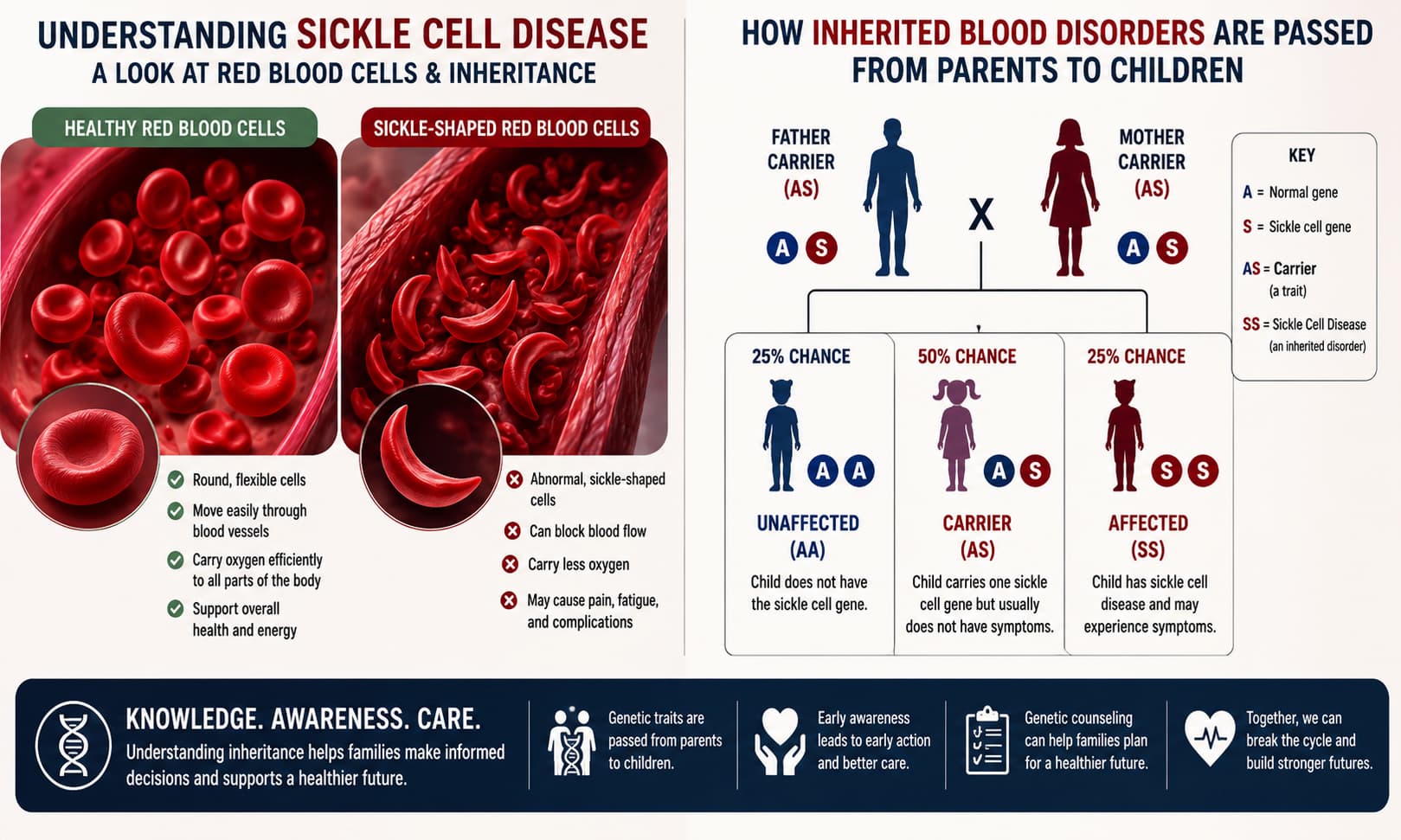
Symptoms, diagnosis and long-term management.
Blood Disorders have different symptoms depending on the type of disorder. Symptoms include fatigue, recurrent infections, pale complexion, pain attacks, bleeding easily, prolonged bleeding, difficulty in breathing, slow growth in children, or weakness.
Many genetic blood disorders are diagnosed with a blood test, newborn screening, family medical history and special genetic testing. Long-term management may involve frequent medical appointments, treatment with medication, transfusion of blood as needed, vaccination, lifestyle modifications and continued monitoring of healthcare specialists. Genetic counseling may also help individuals who are considering having a family understand the genetic risks.
Promote Overall Blood Wellness with Rebootar CD . Get It Here
There are people who opt for herbal wellness supplements like Rebootar CD as a component of their wellness. Made with a unique blend of herbs, Rebootar CD is intended to assist with overall wellness when used in conjunction with proper nutrition, fluid intake, exercise and good sleep habits. It does not diagnose, treat, cure or prevent Blood Disorders, sickle cell disease, thalassemia, hemophilia or replace the medical care of a health care provider. People with any type of inherited blood disorders or who are on prescription medication should seek advice from a qualified health care professional before using herbal supplements.
Start Your Journey to a Healthier Lifestyle with Rebootar DD Herbal Formula — Get Details Here

Healthy Habits for Blood Health.
Genetic conditions can’t be prevented by lifestyle changes, but healthy everyday practices can help maintain overall health. A nutritious diet, adequate hydration, proper exercise, sufficient rest, avoiding smoking, regular medical check-ups, and adherence to treatment guidelines help patients manage their blood disorders and health over the long-term.
Conclusion
Genetic understanding of Blood Disorders enables people and families to have timely diagnosis, timely treatment and informed health choices. Inherited conditions need life long management, but appropriate professional medical management with life-style changes and regular monitoring will best support overall health and promote quality of life.
