
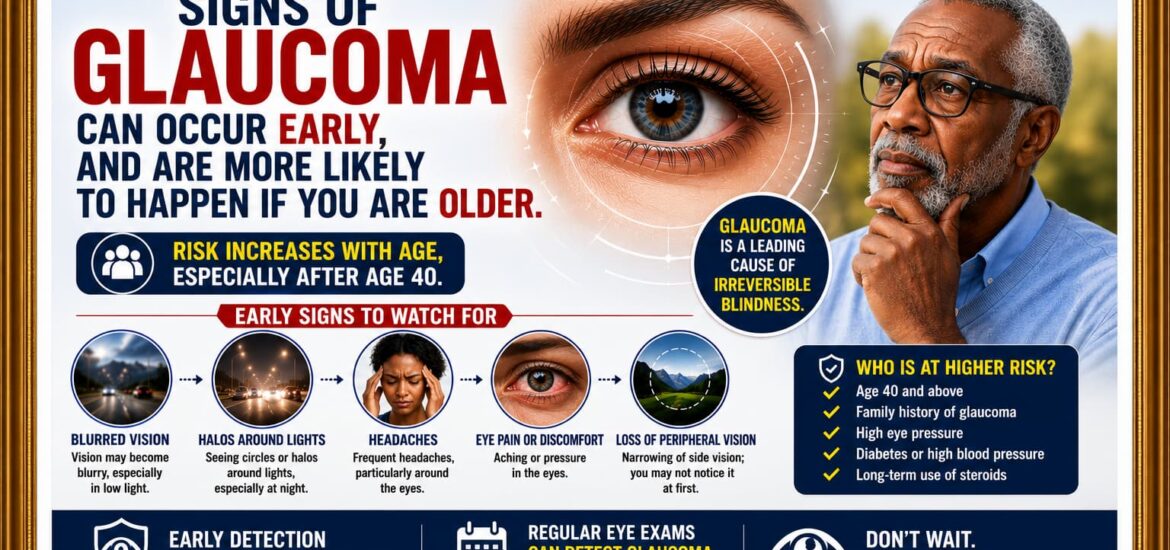
Glaucoma is a serious eye disease that can eventually cause permanent vision loss if it is not treated. Symptoms start slowly and many people may not realize they have it until there are major changes in their vision. Knowing the early signs of glaucoma is critical to maintaining a healthy eye and healthy sight.
What Is Glaucoma?
Glaucoma is a collection of eye diseases that cause injury to the optic nerve, usually caused by a build up of pressure in the eye. The optic nerve is very important for carrying the signals from the eye to the brain. Damage to this nerve may cause a progressive loss of vision. Having routine eye care and regular eye check-ups can help catch glaucoma in time before it causes major problems.
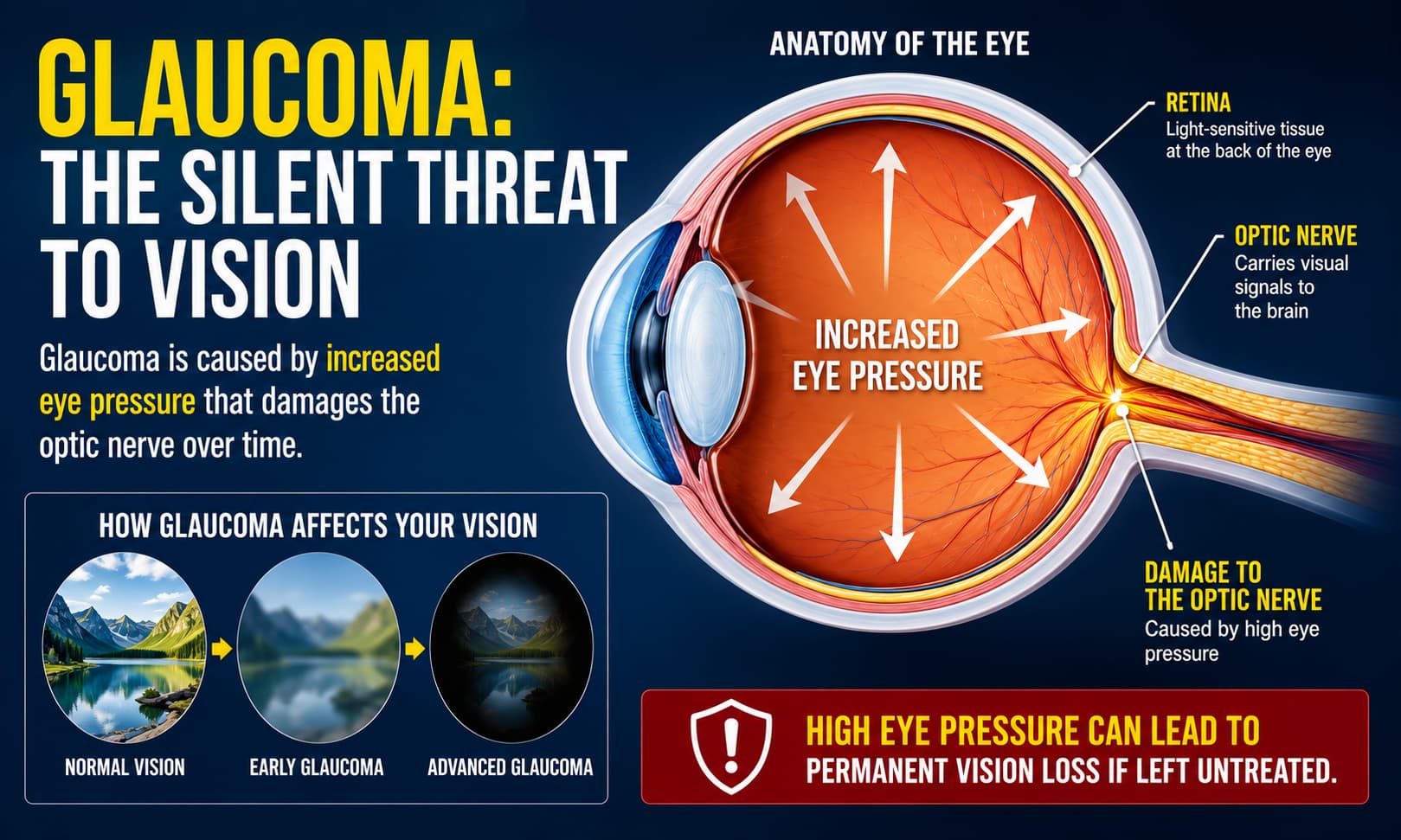
Early Warning Signs of glaucoma are:
Glaucoma can be a hard disease to recognize because its symptoms are mild in the early stages. Several warning signs however shouldn’t be overlooked.
Temporary Loss of Peripheral Vision
One of the initial signs of glaucoma is loss of peripheral (side) vision. This change isn’t something many people are able to detect until after a considerable amount of vision loss has taken place.
Blurred Vision
Blurred vision and/or vision that is getting worse can indicate problems in the eye and/or need for a medical exam.
The presence of halos around lights.
Other people experience rainbow-like colors around lights, especially at night.
Any pain of the eye or eye pressure sensation.
Some types of glaucoma can be uncomfortable, press on or hurt the eyes.
Frequent Headaches
In some cases, more pressure on the eyes is responsible for frequent headaches.
Redness of the Eyes
If redness is ongoing, with other symptoms, consult an eye care specialist.
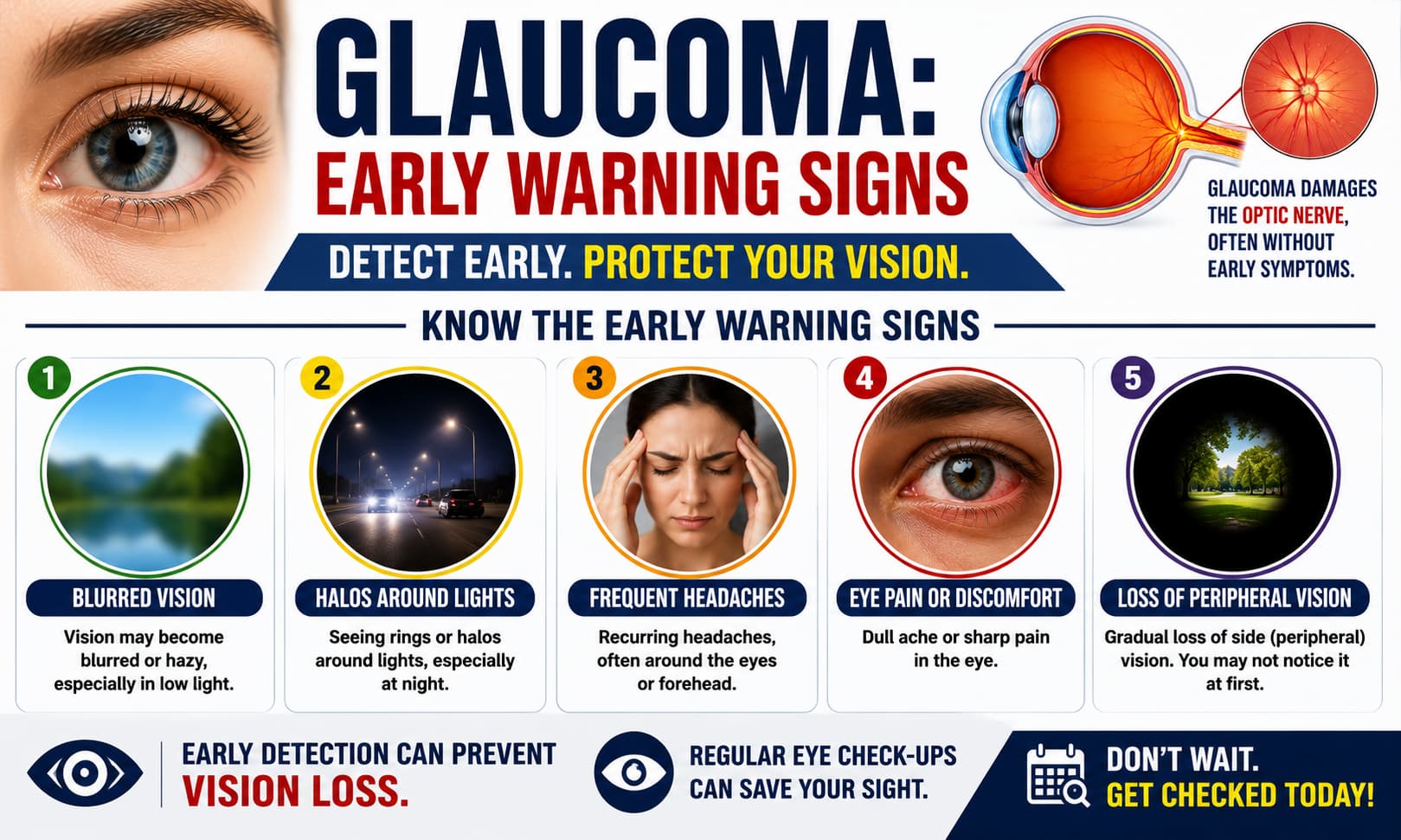
The importance of early detection.
Early diagnosis is essential as the damage to vision caused by glaucoma is often permanent. Routine eye exams can spot optic nerve damage and elevated eye pressure before the symptoms are apparent.
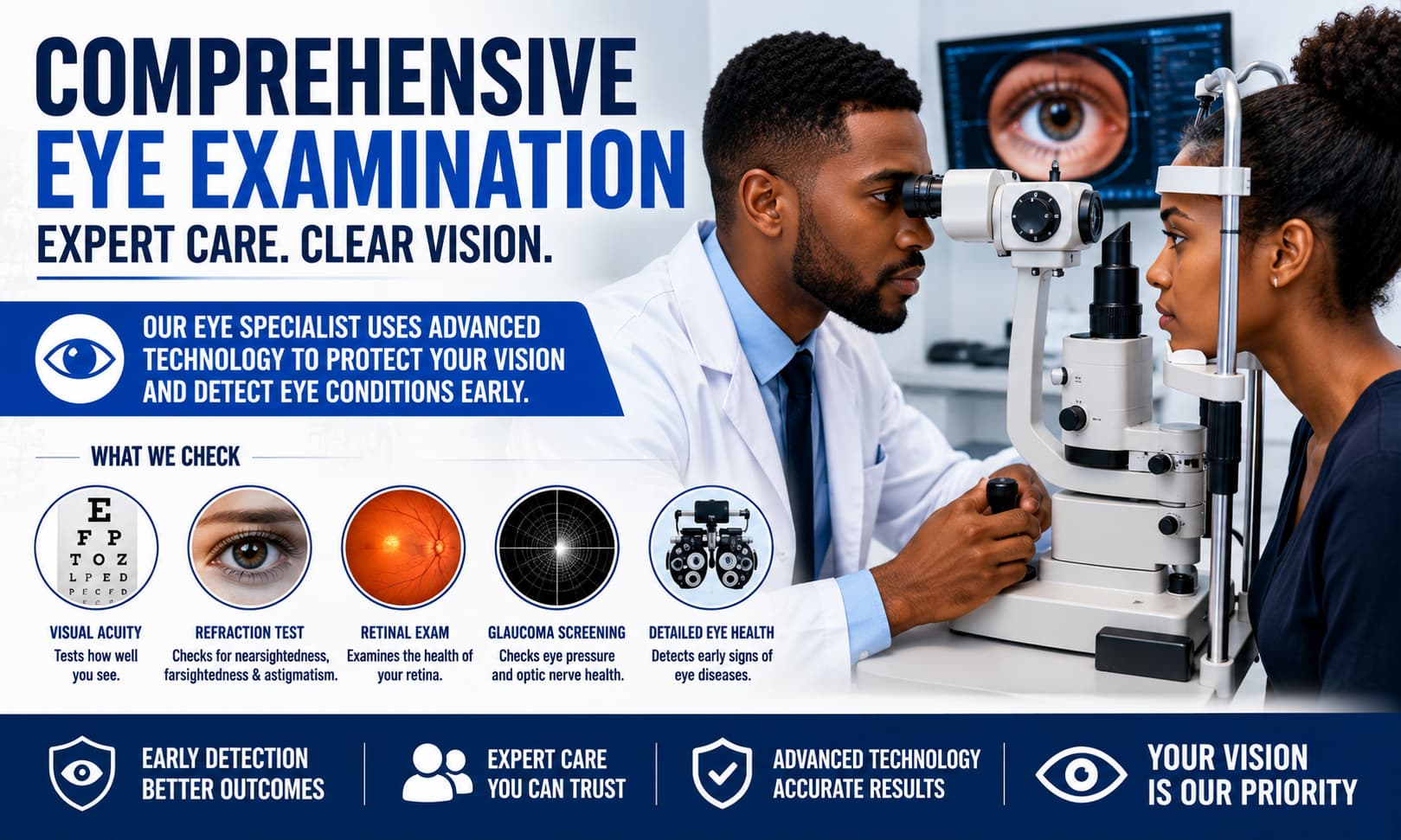
People with a family history of glaucoma, diabetes or other risk factors should make regular eye check appointments. Early diagnosis enables your health care provider to suggest the right eye disease treatment option(s) that could help slow the progression of the disease and help save your vision.
Conclusion
Early signs of glaucoma can be identified to prevent serious vision problems. The signs and symptoms associated with these have to be taken seriously – such as blurred vision, halos around lights, eye discomfort, and loss of peripheral vision. Regular eye check appointments, vision eye care and timely eye disease treatment may be a major part of the protection of eye health and retaining long term vision.
