
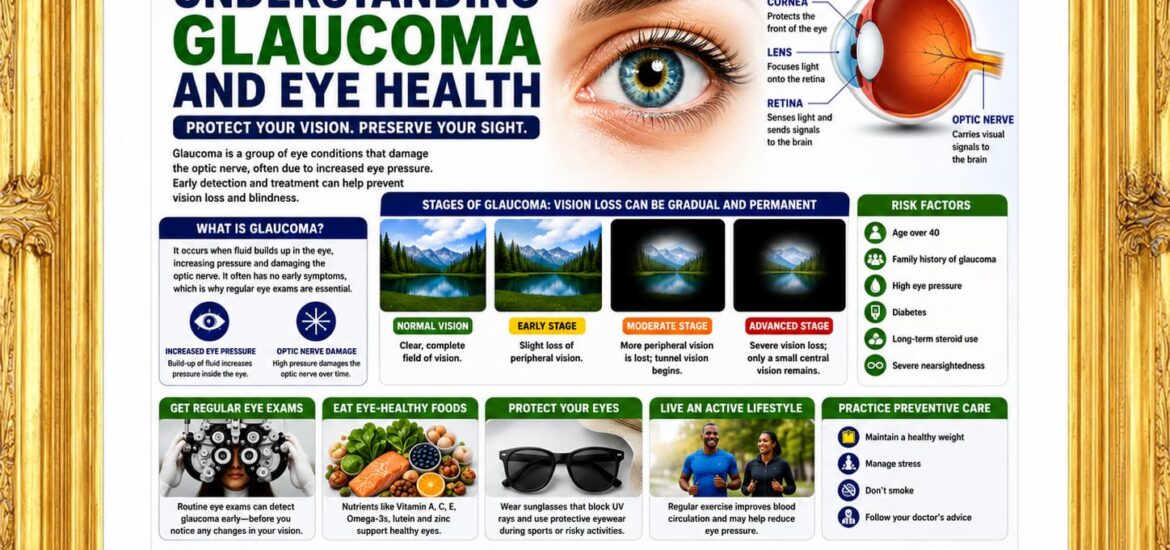
Good vision is important to everyday living for people to work, learn, drive and enjoy daily living activities. Glaucoma is one of the more serious conditions that can impair vision and is one of the most serious because vision can be lost over time if it’s not detected. With the help of proper care and understanding, glaucoma can be managed and help maintain long-term eye wellness and a quality of life.
What Is Glaucoma?
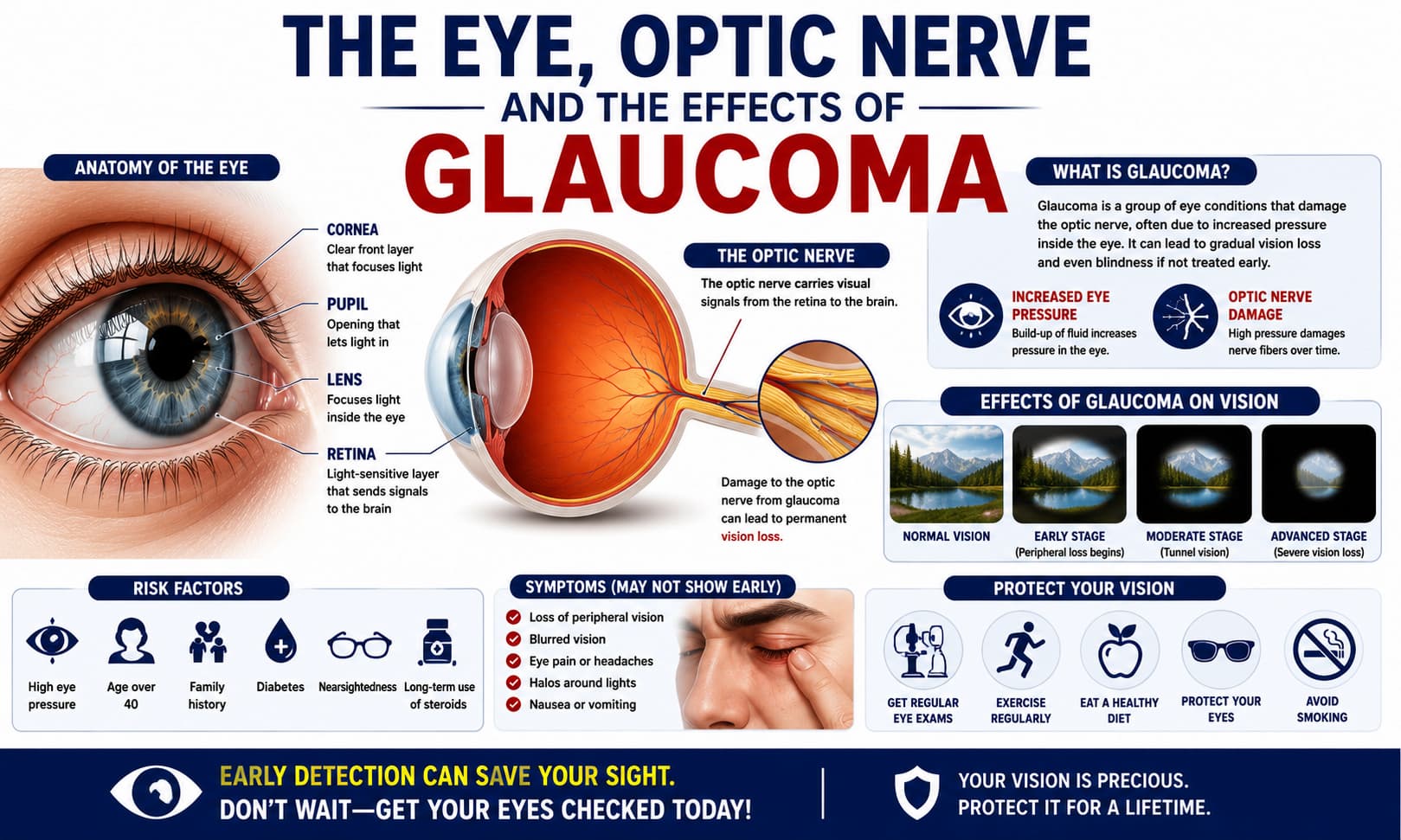
Glaucoma is a family of eye diseases that can lead to damage of the optic nerve—though it’s the job of the optic nerve to carry visual information from the eye to the brain. Glaucoma can develop slowly in many people and may not have any symptoms at first. That’s why having regular eyes exam appointments is crucial to early detection.
Regular eye exams can detect changes in eye health before they can cause serious vision issues. At the eye exam, the eye pressure, the condition of the optic nerve, and the general functioning of the vision can be assessed.
Blepharitis, conjunctivitis and eye allergies are other eye-related problems that can compromise the comfort and wellness of vision. While these conditions are not the same as glaucoma, they do suggest the need for thorough eye care and regular check-ups.
Identifying some common risk factors and eye health concerns that are important to discuss with your ophthalmologist.
The risk of developing glaucoma can be raised by:
Advancing age
A family history of eye disease.
Elevated eye pressure
Certain medical conditions
Long-term use of certain drugs
People with diabetes are recommended to get a routine eye exam to keep an eye on eye health and to identify any complications as early as possible.
Individuals may also wish to learn more about treatment for thyroid eye disease and other vision-related issues. These conditions are not glaucoma, but prove how vital it is to have active eye care and professional evaluation.
Several families opt for continuous eye care with a family eye care center and get routine check-ups and preventive screenings to maintain their vision health over time.
Adopting healthy habits can help maintain good eye health.Healthy lifestyle habits can help keep your eyes healthy.
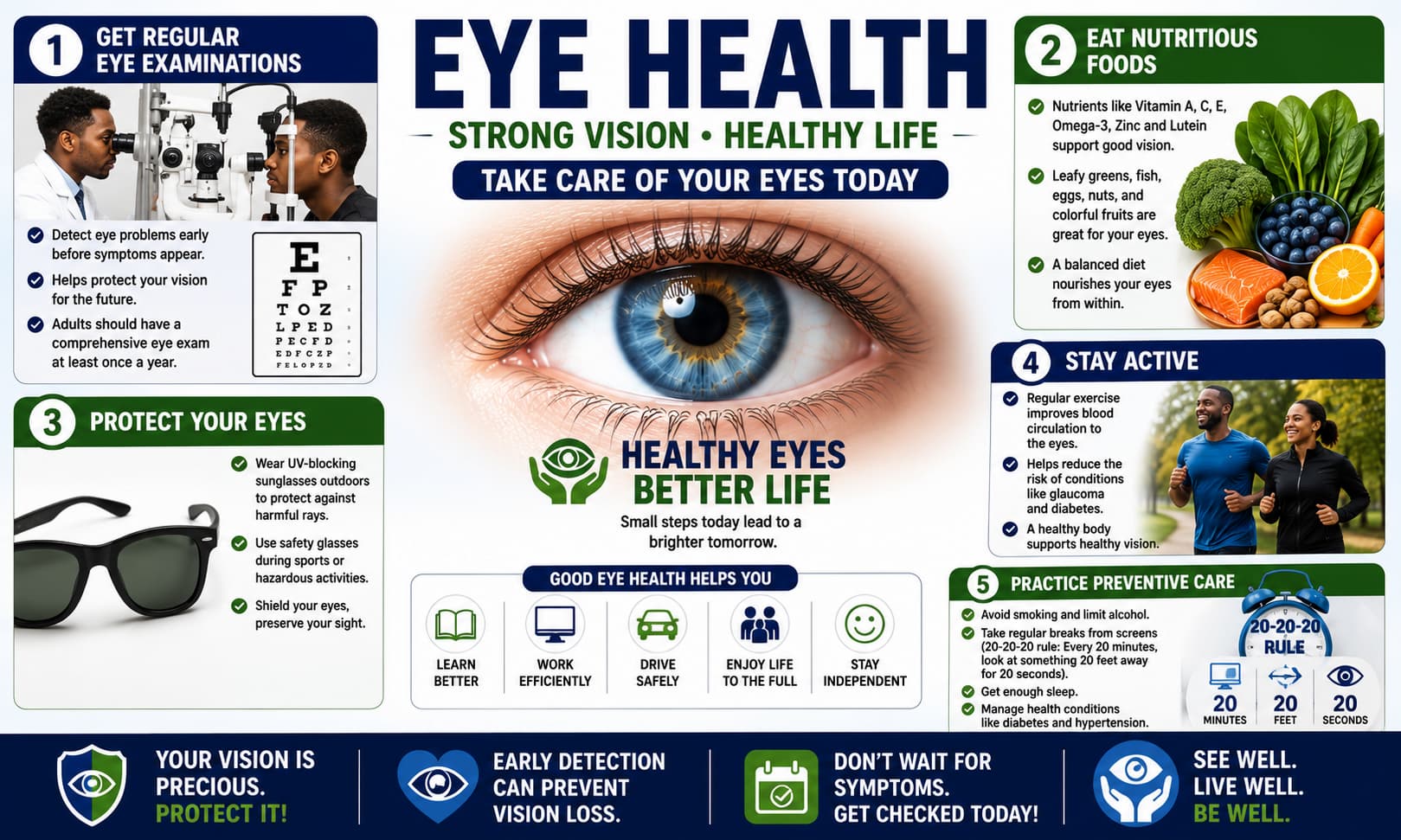
Good lifestyle choices can help promote eye wellness. Common recommendations include:
Having regular eye exams.
Consuming a balanced diet with plenty of antioxidants and vitamins
Blood pressure and sugar levels are controlled.
Staying physically active
Preventing the eyes from harm and over-exposure to the U.V. rays.
Avoiding smoking
When scheduling preventative medical visits, many people will also look into other issues like eye check up cost. No matter the expense, it is a worthwhile long-term investment in vision care.
Conclusion
Knowing about glaucoma and scheduling regular eye checkups with an optometrist can contribute to the health of your eyes. By scheduling routine eyes exam visits, getting proper vision eye care and making healthy lifestyle decisions, people can proactively protect their vision and ensure the overall health of their eyes for many years.
