
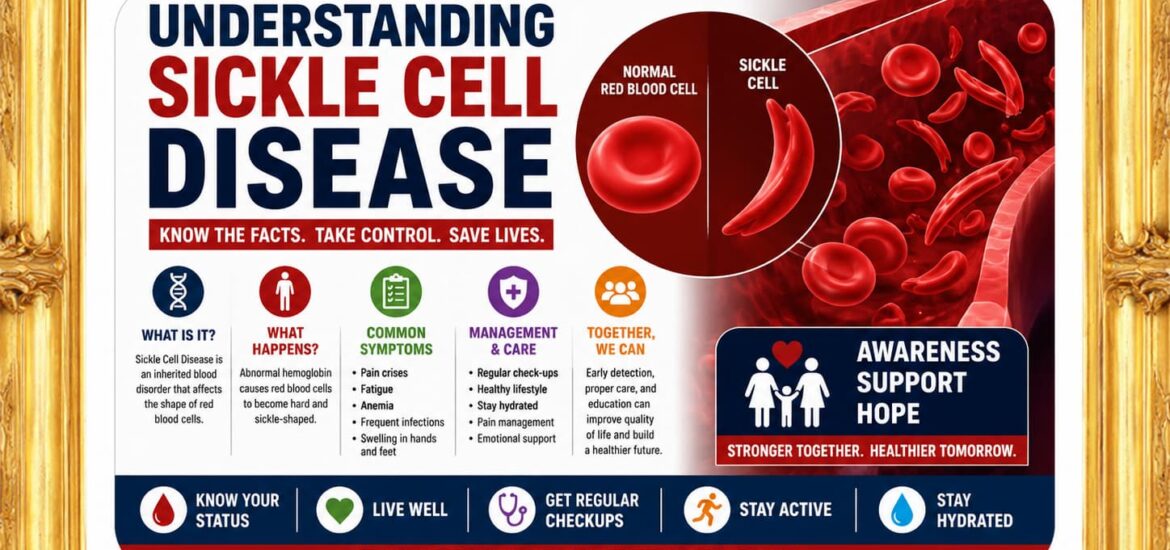
Sickle cell disease (SCD) is an inherited blood disease in which the red blood cells are abnormal in both shape and function. This condition affects millions of people worldwide and can affect circulation and oxygenation to the rest of the body. With knowledge of what sickle cell is, its causes, symptoms and how to manage it day to day, individuals and families can make informed health choices and engage in living a healthy life.
So, what is Sickle Cell Disease?
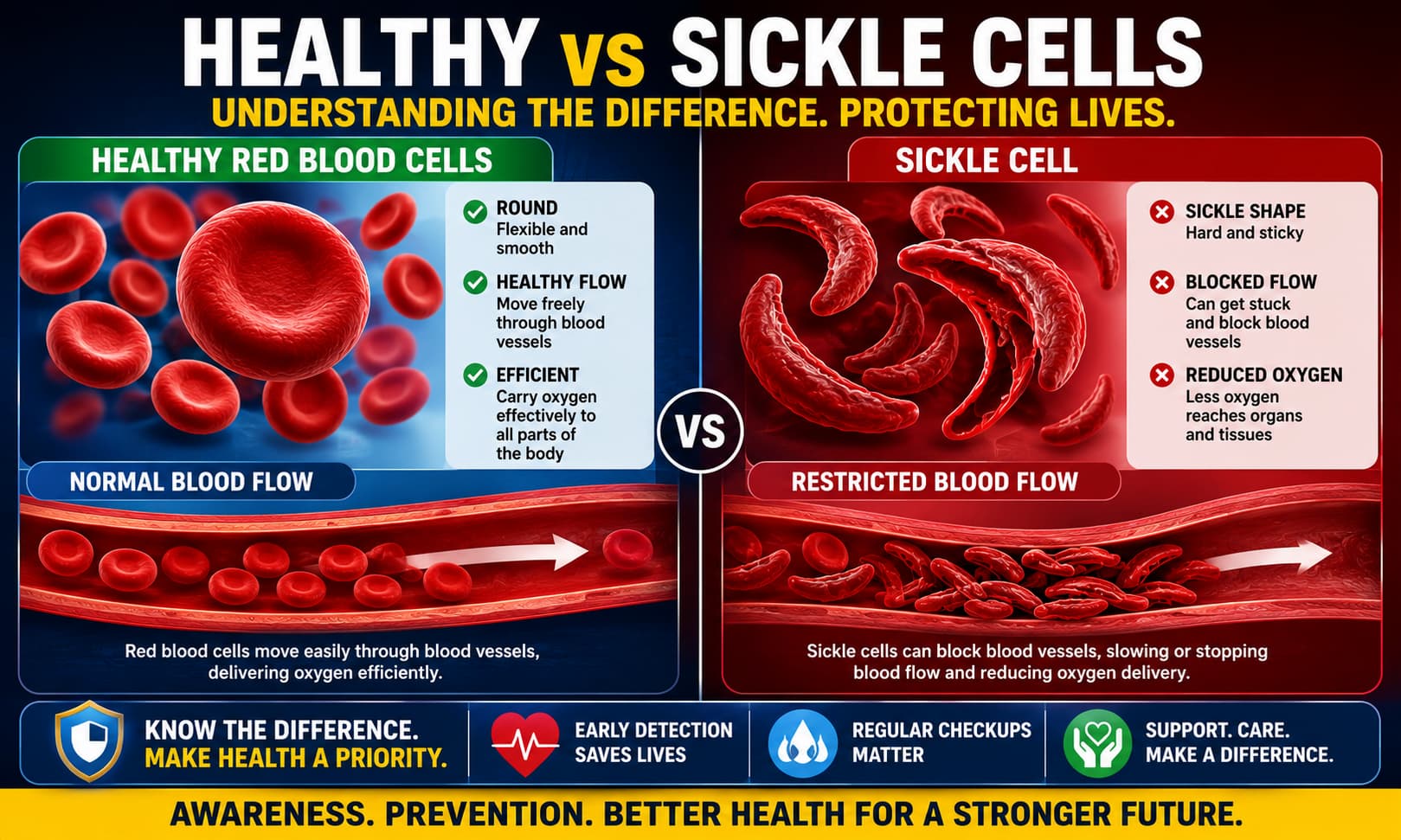
Sickle cell disease is a genetic disorder where the protein (hemoglobin) in red blood cells which carries oxygen is defective. Red blood cells are typically round and flexible so they can flow through blood vessels. With sickle cell disease, some of a person’s red blood cells are hard and look like the shape of a sickle, which makes it harder for the blood to flow.
The main cause of sickle cell diseases is a gene mutation that can be inherited from parents. Since it is inherited, it is something that people are born with.
Sickle cell disease comes in a variety of forms, some more severe than others, and some with different clinical manifestations, such as sickle cell anemia. How symptoms occur and how the disease is treated may vary depending on the specific type.
Typical symptoms and health issues.
It is essential to be able to recognize the symptoms of sickle cell disease to make an early diagnosis and provide ongoing treatment. Common signs and symptoms of sickle cell disease may include:
Persistent fatigue
Puffy hands and feet
Frequent infections
When children’s growth is slow.
Shortness of breath
Periods of intense pain
A common problem is sickle cell disease pain, which may develop when the sickle cells clog the small blood vessels. These painful attacks are sometimes called a “sickle cell crisis” and can be mild or severe and not last long.
Signs of the sickle cell disease can vary from person to person and regular medical attention and advice is necessary.
Healthy Lifestyle Habits for Your Overall Wellness
While there are different management plans for each person with sickle cell disease, maintaining a healthy lifestyle can help with overall well-being. These are typical recommendations for healthcare practitioners:
Staying adequately hydrated
Consuming a well balanced and nutritious diet.
Getting sufficient rest
Going to regular medical check-ups
Carrying out medical guidelines
Where possible, avoid extremes of temperature.
Ongoing evaluation and proactive health care can allow people to achieve optimal health and well-being.

Product Spotlight: Rebootar CD ( CARDIO ) . Herbal Solutions for Sickle Cell Disease and Well-Being .
Get The Product Here
A lot of people who are interested in finding a way to be healthy naturally consider herbal supplements. Rebootar CD ( CARDIO ) is a herbal product developed by Greenature International Limited and marketed as a supportive herbal wellness product.
Rebootar CD ( CARDIO ) supplement that is intended to be taken as an aid to a healthy lifestyle, balanced nutrition and general well-being. A few people opt for herbal supplements as a part of a wellness plan. Rebootar CD ( CARDIO ) is not offered as a replacement for professional medical diagnosis, treatment or disease management. People who have other health problems should seek advice from health experts before taking any herbal supplement.
Conclusion
The knowledge of sickle cell disease, awareness of its symptoms and the knowledge of the different types of sickle cell disease can help people to take proactive steps for better health awareness. Patients with sickle cell disease can take steps to promote their overall well-being and quality of life through regular medical care, healthy lifestyle and informed decision-making.
